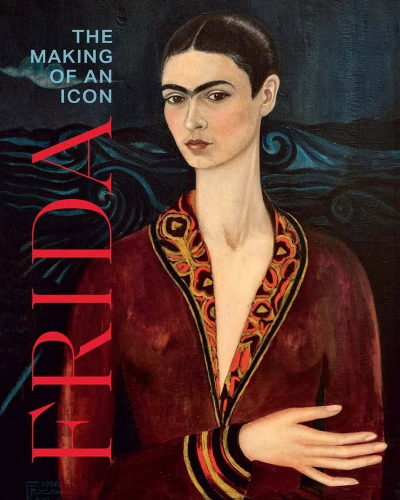
© The Museum of Fine Arts, Tate Modern
Інтерес до великої виставки Фріди Кало в лондонській Tate Modern став одним із найпомітніших сигналів повернення доковідної культури масштабних музейних подій (за матеріалами британської газети The Guardian). Ще до відкриття експозиції Frida: The Making of an Icon, запланованого на 25 червня, Tate продала понад 41 тисячу квитків. Це найвищий показник передпродажу в історії галереї. Попередній рекорд належав виставці Девіда Гокні 2017 року, на яку заздалегідь придбали близько 32 тисяч квитків.
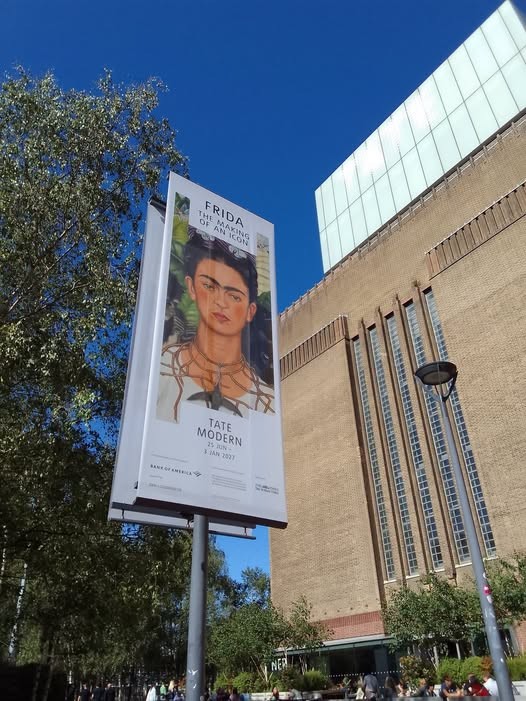
The Museum of Fine Arts, Tate Modern
Ажіотаж навколо Кало не є поодиноким випадком. Британські музеї дедалі впевненіше говорять про повернення так званих виставок-блокбастерів — великих, дорогих і медійно потужних музейних проєктів, які здатні залучати не лише фахову арт-публіку, а й широку аудиторію. Термін “виставка-блокбастер” походить із кіноіндустрії. Як фільм-блокбастер розрахований на масового глядача, великий бюджет і значні касові збори, так і музейний блокбастер будується навколо імені, теми або артефакту, які вже мають сильне суспільне звучання. Це може бути Фріда Кало, Ван Гог, Моне, Девід Гокні або історична реліквія на кшталт гобелена з Байо.
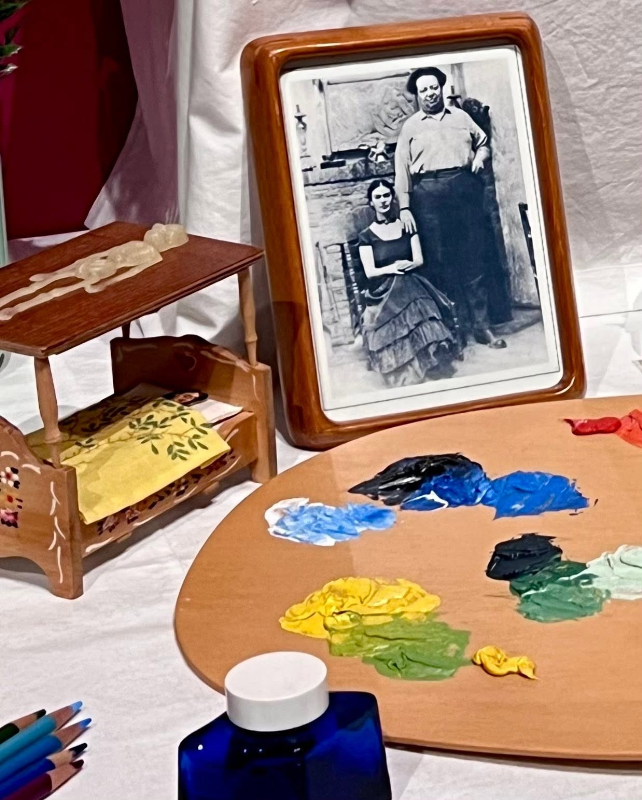
Такі виставки мають кілька характерних ознак: обмежений час показу, високий попит на квитки, черги, активну медійну кампанію, сувенірну продукцію та відчуття, що відвідувач долучається до події, яку “не можна пропустити”. Саме цей ефект великої культурної події і повертається у британські музеї після пандемії, яка поставила під сумнів майбутнє масових музейних проектів. Частина експертів припускала, що відвідувачі не захочуть повертатися до переповнених залів, а цифрові формати частково замінять потребу бачити оригінали наживо.

Однак новий попит свідчить про інше: публіка знову шукає спільного культурного досвіду.
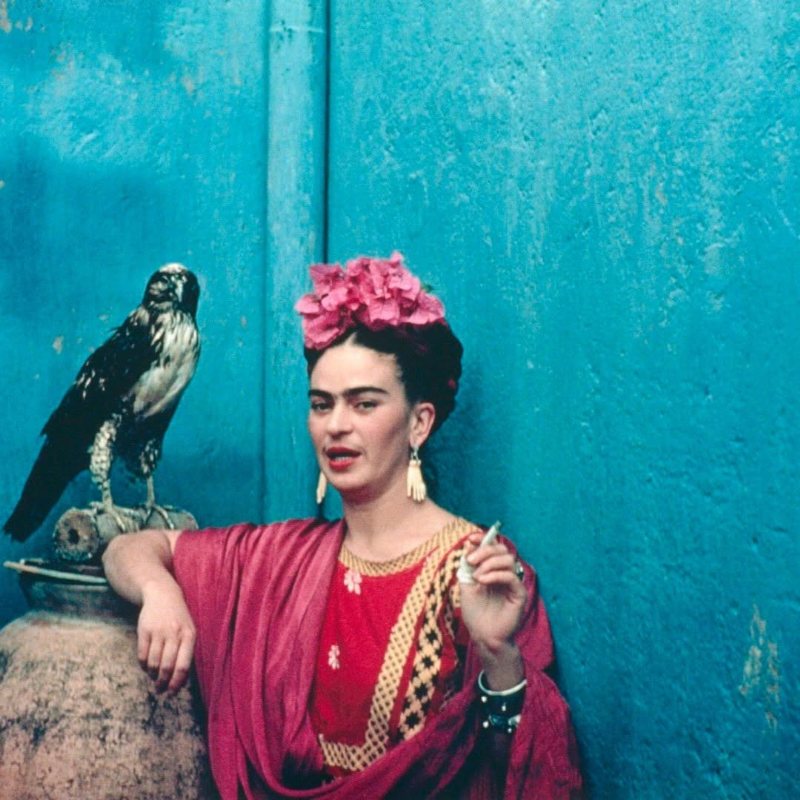
Фріда Кало в цьому сенсі є майже ідеальною героїнею музейного блокбастера. Вона давно вийшла за межі історії мистецтва й стала глобальним образом — символом стійкості, жіночої суб’єктності, тілесної вразливості, самостилізації та чесності щодо власного болю. Її обличчя легко впізнають навіть ті, хто не може назвати конкретних картин художниці. Але саме тому зустріч з оригінальними роботами набуває особливої ваги: за тиражованим образом публіка прагне побачити живу присутність художниці, матеріальність твору і реальну історію людини.
Повернення виставок-блокбастерів важливе і для самих музеїв. На тлі зростання витрат і фінансового тиску успішні виставки стають джерелом доходів, нових членств і публічної уваги. Водночас вони виконують ширшу культурну функцію: повертають людям відчуття спільної події в епоху, коли значна частина мистецького досвіду існує в цифровому середовищі.
Джерело: британська газета The Guardian, стаття Nadia Khomami “Reports of the blockbuster exhibition’s death are premature as Tate’s Kahlo show breaks ticket record”, 19 червня 2026 року.
Frida Kahlo brings back the museum event: Britain is talking again about blockbuster exhibitions.
According to the British newspaper The Guardian, the surge of interest in a major Frida Kahlo exhibition at London’s Tate Modern has become one of the clearest signs that the pre-Covid culture of large-scale museum events is returning.
Even before the opening of Frida: The Making of an Icon, scheduled for 25 June, Tate had sold more than 41,000 tickets. It is the highest advance-sales figure in the gallery’s history. The previous record was held by the 2017 David Hockney exhibition, for which around 32,000 tickets were bought in advance. The excitement surrounding Kahlo is not an isolated case. British museums are increasingly confident that the so-called blockbuster exhibition is making a comeback: a large, costly and highly visible museum project capable of drawing not only specialist art audiences but also the wider public. The term “blockbuster exhibition” comes from the film industry. Just as a blockbuster film is designed for a mass audience, backed by a substantial budget and expected to generate significant box-office returns, a museum blockbuster is built around a name, subject or artefact that already carries strong public resonance. It may be Frida Kahlo, Van Gogh, Monet, David Hockney, or a historic object such as the Bayeux Tapestry.
Such exhibitions tend to share several defining features: a limited run, high demand for tickets, queues, a major media campaign, merchandise and the sense that the visitor is taking part in an event that “must not be missed”. It is precisely this feeling of a major cultural occasion that appears to be returning to British museums after the pandemic. Covid cast doubt on the future of mass museum projects. Some experts suggested that visitors would be reluctant to return to crowded galleries, while digital formats would partly replace the need to see original works in person. Yet the new wave of demand points in the opposite direction: audiences are once again seeking a shared cultural experience.
In this respect, Frida Kahlo is almost the ideal figure for a museum blockbuster. She has long since moved beyond the boundaries of art history to become a global image: a symbol of resilience, female subjecthood, bodily vulnerability, self-fashioning and honesty about personal pain. Her face is instantly recognisable even to people who may not be able to name a specific painting by the artist. But that is precisely why an encounter with the original works carries such weight. Behind the widely reproduced image, visitors want to sense the living presence of the artist, the material reality of the work and the human story behind it.
The return of blockbuster exhibitions also matters to museums themselves. Against a backdrop of rising costs and financial pressure, successful exhibitions have become a source of income, new memberships and public attention. At the same time, they perform a broader cultural role: they restore a sense of shared occasion at a time when much of the artistic experience exists in a digital environment.
The success of the forthcoming Kahlo exhibition at Tate Modern suggests that major museum events did not disappear after Covid. On the contrary, they are returning as a response to a renewed need: to see the original, to be present in a gallery alongside others, and to feel that culture can once again bring people together around a shared experience.
Source: the British newspaper The Guardian, Nadia Khomami’s article “Reports of the blockbuster exhibition’s death are premature as Tate’s Kahlo show breaks ticket record”, 19 June 2026.
2717