© https://uxdesign.cc
Пішов із життя Френк Гері, один із найвідоміших архітекторів кінця ХХ — початку ХХІ століття та творець знакових будівель, що змінили уявлення про можливості сучасної архітектури. Він помер 5 грудня на 97-му році життя, повідомило видання The New York Times з посиланням на офіс архітектора.
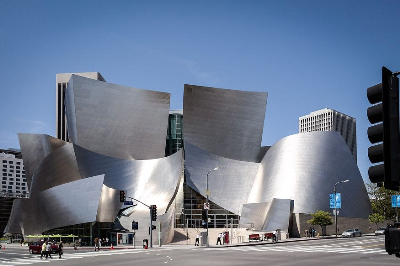
Гері став символом архітектурної революції, яка звільнила професію від традиційних обмежень — суворої геометрії, прямого кута, класичних пропорцій та навіть функціональної передбачуваності. Його будівлі впізнають за хвилястими формами, сміливою пластикою та унікальними фасадами з титану чи скла. Серед найвідоміших робіт архітектора — Музей Гуггенгайма в Більбао, що став каталізатором міського розвитку та дав назву «ефекту Більбао»; концертна зала Walt Disney Concert Hall у Лос-Анджелесі; Fondation Louis Vuitton у Парижі; Музей мистецтв у Міннеаполісі; а також інноваційні проєкти для MIT та інших університетів. Гері був лауреатом найпрестижнішої архітектурної нагороди світу — Прітцкерівської премії, яку часто називають «архітектурним Нобелем». Його роботи вплинули на формування покоління архітекторів, серед яких Заха Хадід, Даніель Лібескінд, Рем Колгас та Ганс Холляйн. Американський інститут архітекторів у коментарі для CNN назвав його «творцем, що перетворив архітектуру на видатний акт свободи та уяви». А ВВС підкреслила, що «вплив Гері на міську культуру Європи й Америки відчутний досі — його проєкти змінювали не лише форму будівель, а й образ цілих міст».
У некролозі Le Monde зазначає, що Гері став першим справжнім «архітектором-зіркою» сучасності — митцем, який зумів поєднати радикальну творчість із масштабними урбаністичними проєктами, а також поставити під сумнів саму сутність архітектури, її корисність, красу та стійкість. Його підхід порівнюють із художньою інтуїцією: недарма багато скульпторів називали Гері «архітектором, який мислить пластикою».
The world bids farewell to Frank Gehry — a creator who turned cities into works of art
Frank Gehry, one of the most renowned architects of the late 20th and early 21st centuries and the author of landmark buildings that reshaped the very idea of contemporary architecture, has died. He passed away on December 5 at the age of 96, according to a report by The New York Times citing the architect’s office.
Gehry became a symbol of an architectural revolution that freed the profession from traditional constraints — strict geometry, right angles, classical proportions and even predictable functionality. His buildings are instantly recognizable for their flowing curves, bold sculptural forms and distinctive titanium or glass facades. Among his most famous works are the Guggenheim Museum Bilbao, which sparked a wave of urban transformation known as the “Bilbao effect”; the Walt Disney Concert Hall; the Fondation Louis Vuitton; the Weisman Art Museum; as well as innovative academic buildings for MIT and other universities.
Gehry was a laureate of the prestigious Pritzker Architecture Prize, often referred to as the “Nobel Prize of architecture.” His work shaped an entire generation of architects, including Zaha Hadid, Daniel Libeskind, Rem Koolhaas and Hans Hollein. In a comment to CNN, the American Institute of Architects called him “a creator who transformed architecture into an exceptional act of freedom and imagination.” BBC noted that “Gehry’s influence on the urban culture of Europe and America remains profound — his projects altered not only the form of buildings but the identity of entire cities.”
In its obituary, Le Monde emphasized that Gehry became the first true “starchitect” of the modern era — an artist who combined radical creativity with large-scale urban projects and challenged the very essence of architecture: its utility, beauty and resilience. His approach has often been compared to artistic intuition; many sculptors referred to Gehry as “an architect who thinks like a sculptor.”
1941