© https://www.vaticannews.va/
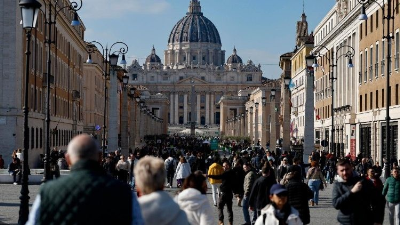
Штучний інтелект здатний зробити подорожі доступнішими та екологічнішими, однак не повинен підміняти живий досвід знайомства зі світом. Таку думку висловив про-префект Дикастерії у справах євангелізації архієпископ Ріно Фізікелла у посланні до 47-го Всесвітнього дня туризму, який відзначатимуть 27 вересня. У документі, оприлюдненому Ватиканом, наголошується, що алгоритми та цифрові платформи не здатні замінити особисті зустрічі, відкриття нових місць і безпосередній контакт із культурною спадщиною. На думку архієпископа, якщо туризм зводиться лише до оптимізованих рекомендацій і віртуального споживання контенту, людина ризикує втратити найцінніше — емоції від несподіваних відкриттів і спілкування з іншими людьми.
lemax.net
Водночас у Ватикані визнають, що ШІ може принести туристичній галузі відчутну користь. Серед його переваг названо персоналізацію маршрутів, полегшення доступу до інформації, можливість створення безбар’єрного середовища для людей з інвалідністю та ефективніше управління туристичними потоками з метою зменшення навантаження на довкілля. Також цифрові платформи відкривають нові можливості для громад у країнах, що розвиваються, допомагаючи популяризувати місцеву культурну спадщину.
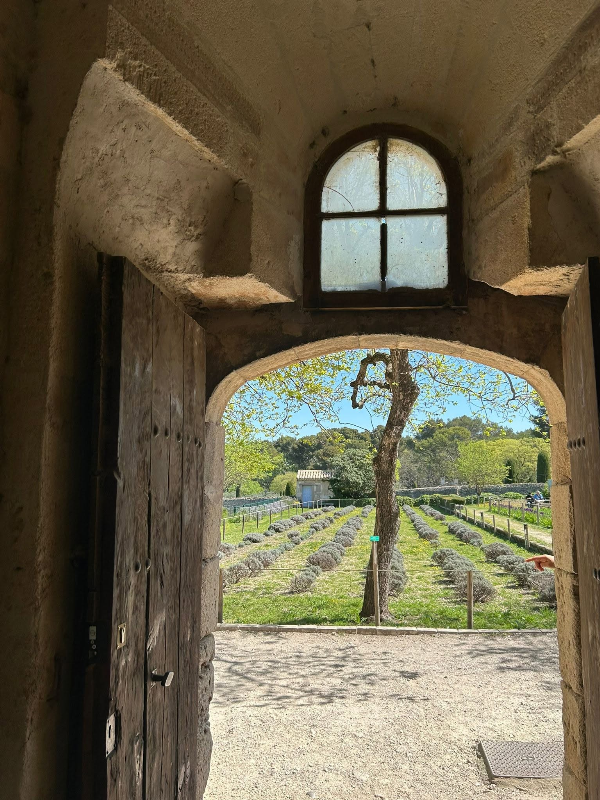
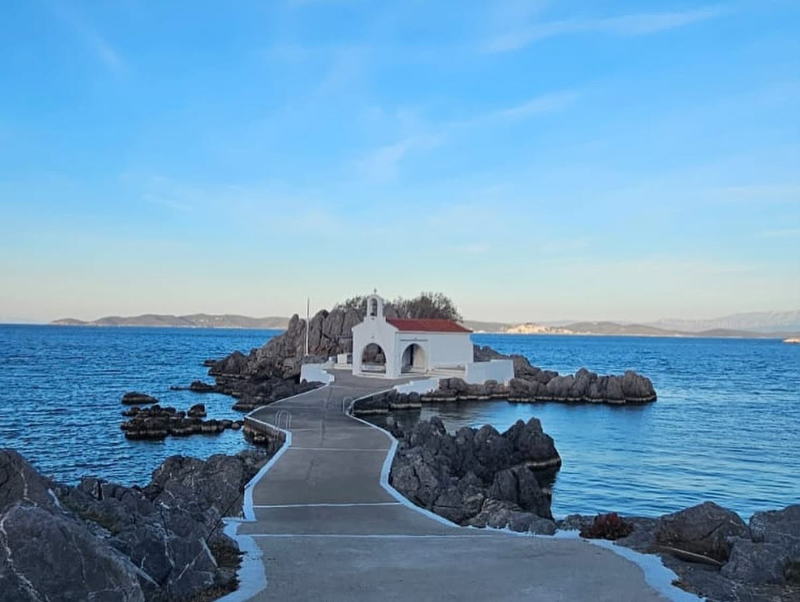
Попри стрімкий розвиток генеративних моделей та цифрових сервісів, більшість експертів туристичної індустрії не вважають, що штучний інтелект здатен повністю замінити реальні подорожі. Виконавча директорка американської туристичної компанії Páme Travel Афіна Лівадас в інтерв’ю Business Insider зазначила, що інструменти на основі ШІ допомагають швидше підбирати маршрути й аналізувати великі обсяги інформації, але не можуть відтворити людський досвід і професійну інтуїцію консультанта. За її словами, технологія має доповнювати роботу туристичних агентів, а не витісняти їх.
Páme Trave
Подібної позиції дотримується і консультантка міжнародної мережі Fora Travel Ріта Картон. Вона наголошує, що сучасні алгоритми можуть створити детальний маршрут, однак не здатні замінити персональні рекомендації, засновані на реальному досвіді, індивідуальних потребах клієнта та людському спілкуванні. Аналітики Всесвітньої туристичної організації ООН (UN Tourism) також звертають увагу, що головною цінністю подорожей залишається міжкультурний обмін і безпосередній контакт між людьми. На їхню думку, цифрові технології мають використовуватися як допоміжний інструмент для підвищення якості туристичних послуг, а не як альтернатива самому процесу мандрівки.
The Vatican Warns Against Turning Travel into a Virtual Product Through Artificial Intelligence
Artificial intelligence has the potential to make travel more accessible and environmentally sustainable, but it should not replace the authentic experience of discovering the world firsthand. This view was expressed by Archbishop Rino Fisichella, Pro-Prefect of the Dicastery for Evangelization, in his message for the 47th World Tourism Day, which will be celebrated on September 27. In the document released by the Vatican, Archbishop Fisichella emphasizes that algorithms and digital platforms cannot substitute for personal encounters, the discovery of new places, or direct engagement with cultural heritage. In his view, if tourism is reduced solely to optimized recommendations and the virtual consumption of content, people risk losing what is most valuable—the emotions inspired by unexpected discoveries and meaningful interactions with others. At the same time, the Vatican acknowledges that artificial intelligence can bring significant benefits to the tourism industry. Among its key advantages are the personalization of travel itineraries, easier access to information, the creation of more accessible environments for people with disabilities, and more efficient management of tourist flows aimed at reducing environmental impact. Digital platforms also create new opportunities for communities in developing countries by helping them promote and showcase their local cultural heritage to a wider global audience.
Despite the rapid development of generative AI models and digital services, most tourism industry experts do not believe that artificial intelligence can fully replace real-life travel experiences. In an interview with Business Insider, Athena Livadas, CEO of the U.S.-based travel company Páme Travel, said that AI-powered tools can help plan itineraries more quickly and analyze large volumes of information, but they cannot replicate human experience or the professional intuition of a travel advisor. In her view, technology should complement the work of travel agents rather than replace them.Rita Carton, a travel advisor with the international network Fora Travel, shares a similar perspective. She argues that while modern algorithms are capable of generating detailed itineraries, they cannot substitute for personalized recommendations based on firsthand experience, individual client needs, and genuine human interaction. Analysts at UN Tourism, the United Nations World Tourism Organization, also emphasize that the core value of travel lies in intercultural exchange and direct contact between people. In their opinion, digital technologies should serve as supportive tools to enhance the quality of tourism services rather than become an alternative to the travel experience itself.
2073