© Facebook SWISS FILMS
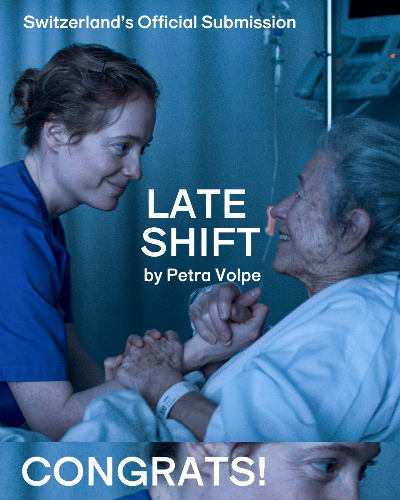
Минулий рік став одним із найуспішніших для швейцарського кіно за останнє десятиліття. На міжнародних фестивалях, стримінгових платформах і в національному прокаті швейцарські фільми, серіали та нові імена дедалі впевненіше заявляють про себе як частину глобального кінопроцесу. Особливо помітним став успіх дебютних повнометражних стрічок: фільм «Тиха революція» режисерки Марі-Ельзи Сквальдо дебютував на Венеційському кінофестивалі й продовжив фестивальний шлях на інших континентах. Інший дебют, «Пральня» — швейцарсько-південноафриканська копродукція Замо Мкваназі, — був представлений у Торонто. У Цюриху відбулася прем’єра «Вовків» Йонаса Ульріха, а афрофутуристична стрічка «Пам’ять принцеси Мумбі» Дамієна Гаузера, створена з використанням штучного інтелекту, знову повернула швейцарське кіно до фокусу Венеції та Торонто. Визнані режисери також представили нові роботи. Фільми «Пізня зміна» Петри Вольпе та «Безпечний дім» Ліонеля Баєра були показані на Берлінале. Стрічка «Течії» Мілагрос Мументалер стартувала в Торонто й згодом отримала нагороду на фестивалі в Сан-Себастьяні. У Локарно та Мюнхені були представлені нові фільми Томаса Імбаха, Штефана Гаупта та Фабріса Араґно. Особливу увагу міжнародної критики знову привернуло швейцарське документальне кіно. Covid-дослідження «Звинувачення» Крістіана Фрая, сімейна хроніка «Осади» Лаури Коппенс і низка копродукцій, представлених у Каннах, на фестивалі Санденс та на Міжнародному фестивалі документального кіно в Амстердамі, підтвердили репутацію Швейцарії як одного з центрів авторського документального кіно. Рік також приніс визнання окремим митцям. Режисерка Деніз Фернандеш отримала Міжнародну дебютну премію імені Інгмара Берґмана, акторка Луна Ведлер була відзначена у Венеції, а операторська робота у фільмі «Пізня зміна» принесла нагороди та номінації на європейському рівні. Водночас швейцарське кіно продемонструвало високі касові показники на внутрішньому та міжнародному ринках. «Пізня зміна» став найуспішнішим швейцарським фільмом року в національному прокаті та зібрав сотні тисяч глядачів за кордоном. Документальні стрічки та дитячі фільми також показали стабільний інтерес публіки. Наприкінці року стало відомо, що «Пізня зміна» увійшов до короткого списку фільмів на премію «Оскар» у категорії міжнародного повнометражного кіно, а вже у січні 2026 року Швейцарія вперше буде представлена в конкурсній програмі фестивалю Санденс з новою стрічкою Петри Вольпе.
Swiss Cinema in 2025: A Breakthrough Year of Debuts, Documentaries and Global Recognition
The year 2025 marked one of the most significant chapters in recent Swiss film history, with productions from the country gaining unprecedented visibility across major international festivals, streaming platforms and box offices. From bold debut features to acclaimed documentaries and high-end series, Swiss cinema increasingly positioned itself as a dynamic force within the global film landscape. A striking feature of the year was the strong presence of first-time feature filmmakers. Marie-Elsa Sgualdo’s Silent Rebellion premiered at the Venice International Film Festival before embarking on an extensive international run across Europe, the Americas and North Africa. Another debut, Laundry — a Swiss–South African coproduction by Zamo Mkhwanazi — premiered at the Toronto International Film Festival, underlining Switzerland’s growing role in transnational filmmaking. Jonas Ulrich introduced his first feature Wolves at the Zurich Film Festival, while Damien Hauser’s Afrofuturist Memory of Princess Mumbi, created with the assistance of artificial intelligence, returned Swiss cinema to both Venice and Toronto. Alongside emerging voices, established directors delivered some of the year’s most visible works. Petra Volpe’s Late Shift and Lionel Baier’s The Safe House screened at the Berlinale, while Milagros Mumenthaler’s The Currents launched its festival journey in Toronto and later received recognition at the San Sebastián Film Festival. New films by Thomas Imbach, Stefan Haupt and Fabrice Aragno featured prominently at Locarno, Munich and other major European festivals. Swiss documentary filmmaking once again proved to be a cornerstone of the country’s cinematic reputation. After premiering at Visions du Réel in Nyon, many titles travelled widely, securing screenings and awards at festivals including Cannes, Sundance, IDFA and Leipzig. Christian Frei’s pandemic investigation Blame, Laura Coppens’ intimate family portrait Sediments and a number of internationally successful minority coproductions highlighted the genre’s thematic breadth and international appeal. The year also saw Swiss television series reach new global platforms. The political thriller The Deal collected multiple international awards and made history as the first series screened on Locarno’s Piazza Grande. Other productions, including Log-Out and The Palm Line, were showcased at Series Mania, Geneva International Film Festival and Zurich, reinforcing Switzerland’s growing presence in high-end serial storytelling. Short films and animation further strengthened Switzerland’s cultural footprint. Swiss works were selected at Sundance, Annecy, SXSW, Tribeca and Clermont-Ferrand, with several titles winning major prizes and securing European award nominations. This success reflected a broader ecosystem that continues to nurture experimentation across formats and genres. Individual artists also received high-profile recognition. Director Denise Fernandes was awarded the Ingmar Bergman International Debut Award, while actress Luna Wedler was honoured at the Venice Film Festival. Swiss cinematographers and performers earned nominations and awards across Europe, confirming the industry’s technical and artistic excellence. Commercially, Swiss films performed strongly both at home and abroad. Late Shift became the most successful Swiss release of the year domestically and attracted large audiences across Europe and beyond. Documentaries and children’s films also enjoyed notable box-office success, indicating sustained public engagement with local productions. As 2025 drew to a close, Late Shift was shortlisted for the Academy Awards in the International Feature Film category, while early 2026 will see Switzerland reach another milestone with Petra Volpe’s next film premiering at the Sundance Film Festival. Taken together, 2025 confirmed Switzerland’s status as one of Europe’s most vibrant and outward-looking film cultures, combining bold new voices, a strong documentary tradition and growing international influence.
2435