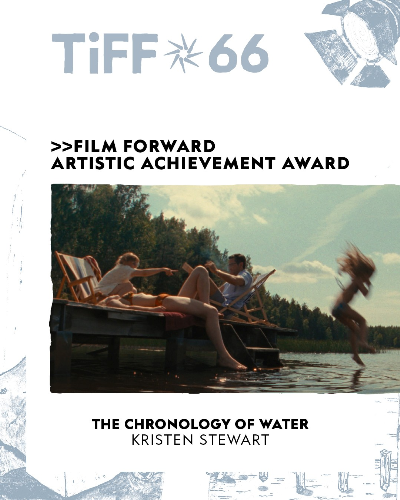
© Facebook Thessaloniki International Film Festival
Тессалоніки знову опинилися в центрі уваги світового кіно: 66-й Міжнародний кінофестиваль привернув понад 92 тисячі глядачів і став однією з найпомітніших кіноподій сезону. Фестиваль, що давно утвердився як головна платформа для незалежного європейського кіно, цього року запропонував амбітну програму з дебютів, міжнародних прем’єр, VR-проєктів та ретроспектив. Міжнародні критики відзначили особливу вагу національної програми. За даними видання El Hype, цього року вона включала 32 повнометражні та 30 короткометражних робіт, у тому числі 29 національних прем’єр — рекордну кількість. Кінокритик Андреї Сандреа у виданні Films in Frame назвав центральним мотивом на фестивалі тему сім’ї. Ідеться не лише про інтимні драми, а й про ширші соціальні процеси — еміграцію, економічну вразливість, трансформації традиційних спільнот. Золотого Александра отримала стрічка Cotton Queen режисерки Сюзанни Мірґані. Як повідомляє Cineuropa, критики відзначили здатність фільму поєднувати політичну гостроту з глибокою людяністю — розповідь про жінок, яких торкнулася війна, прозвучала як універсальний заклик до емпатії та солідарності. Публікації міжнародних журналістів відзначали атмосферу фестивалю: на кілька тижнів місто перетворилось на живий кіномайданчик — з показами біля моря, дискусіями в кав’ярнях, переповненими кінозалами, експериментальними VR-інсталяціями та постійними зустрічами між професіоналами індустрії. Як пише HALU Travel, фестиваль став «симфонією міста, що дихає кіно». Індустрійна секція Agora, де презентували проєкти з десятків країн, також отримала високу оцінку. Swiss Films відзначає, що TIFF залишається одним із найважливіших майданчиків для копродукцій у Південній Європі — з великим інтересом до режисерів-початківців та незалежних студій.
Echoes of the 66th Thessaloniki International Film Festival: Greece strengthens its claim as the leading film hub of Southern Europe
Thessaloniki once again became a focal point of global cinema: the 66th Thessaloniki International Film Festival attracted more than 92,000 viewers and emerged as one of the most significant film events of the season. Long established as a key platform for independent European cinema, this year’s festival offered an ambitious programme of debuts, international premieres, VR projects and retrospectives. International critics highlighted the exceptional strength of the national programme. According to El Hype, it featured 32 feature films and 30 short films, including 29 national premieres — a record number. Film critic Andrei Sandrea, writing for Films in Frame, noted that the festival’s central thematic thread was the notion of family — not only as an intimate drama, but as a prism through which broader social processes such as migration, economic vulnerability and the transformation of traditional communities were explored. The Golden Alexander was awarded to Cotton Queen by director Suzannah Mirghani. As Cineuropa reports, critics praised the film’s ability to combine political sharpness with profound humanity: its portrayal of women affected by war resonated as a universal call for empathy and solidarity. International coverage also emphasised the festival’s atmosphere: for several weeks the city transformed into a living film set — with seaside screenings, café discussions, packed cinemas, experimental VR installations and constant encounters among film professionals. As HALU Travel writes, the festival became “a symphony of a city that breathes cinema.” The industry section, Agora, which featured projects from dozens of countries, also received strong acclaim. Swiss Films noted that TIFF remains one of the most important co-production hubs in Southern Europe, drawing significant interest in emerging directors and independent studios
2125