
© Crystal Valley Week
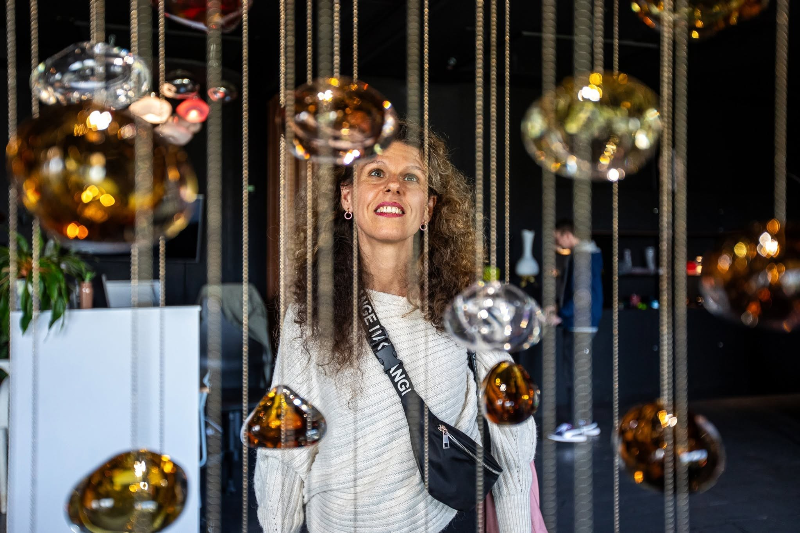
У північному чеському місті Ліберець проходить Crystal Valley Week 2026 — найбільший фестиваль скла в Чехії, який на шість днів перетворює місто на велику відкриту галерею. Цьогоріч програма охоплює близько 36 локацій і понад 80 подій: виставки, відкриті майстерні, покази моди, ювелірні проєкти, монументальні скляні інсталяції та дизайнерські об’єкти у публічному просторі. Особливою атракцією став Crystal Ball Express — міський трамвай, оформлений за мотивами легендарного Orient Express.
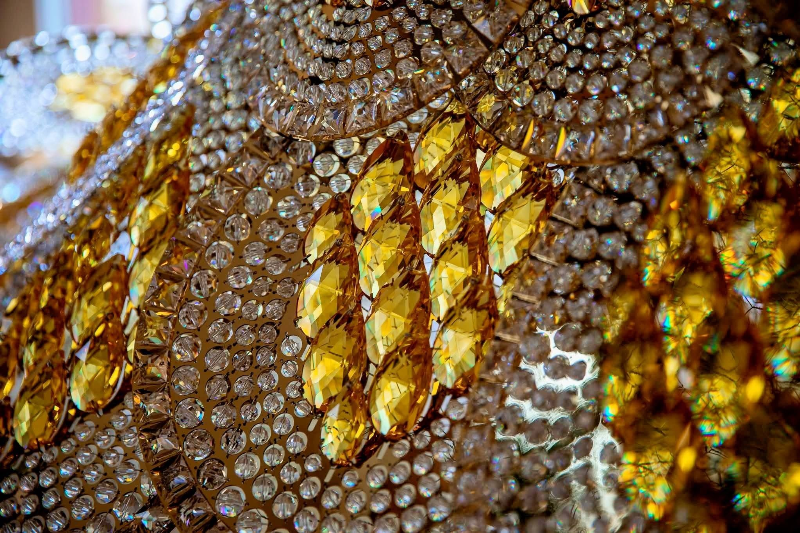
Фестиваль спирається на майже семисотрічну традицію склоробства Північної Богемії. Саме цей регіон став центром галузі завдяки природним умовам: ліси давали деревину для печей і поташ для виробництва скла, а гірські потоки забезпечували енергією шліфування та полірування.
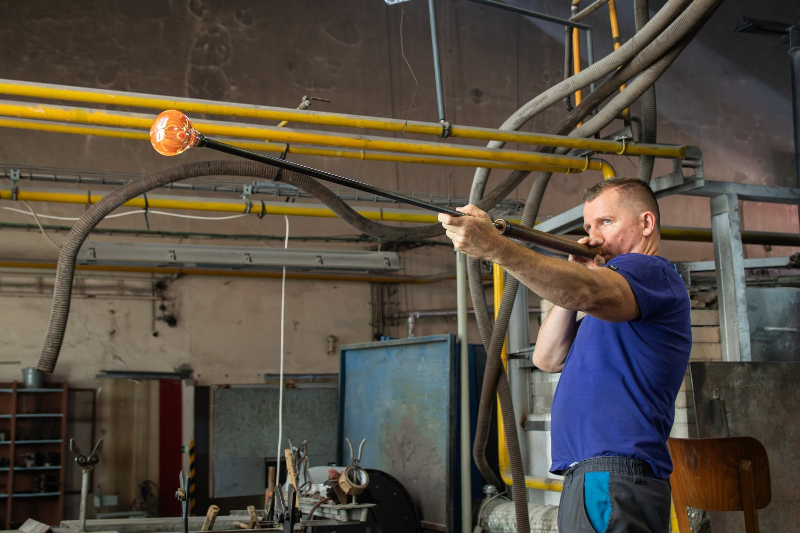
У XVII столітті богемські майстри створили надзвичайно прозоре й тверде калійно-вапняне скло, придатне для складного різьблення й гравіювання, яке згодом стало відомим у світі як Bohemian crystal. Новий Бор і Каменіцкі-Шенов уславилися виробництвом скла та люстр, а Яблонець-над-Нисою — скляними намистинами, біжутерією й імітацією коштовного каміння. У 2023 році традиційні знання й навички ручного виробництва скла в Чехії та ще п’яти європейських країнах були внесені до Репрезентативного списку нематеріальної культурної спадщини ЮНЕСКО.
Liberec Becomes the Capital of Czech Glass for Six Days
The northern Czech city of Liberec is hosting Crystal Valley Week 2026, the largest glass festival in the Czech Republic, transforming the city into a vast open-air gallery for six days. This year’s programme spans around 36 locations and more than 80 events, including exhibitions, open studios, fashion shows, jewellery projects, monumental glass installations and designer works in public spaces. One of the festival’s standout attractions is the Crystal Ball Express, a city tram inspired by the legendary Orient Express.
The festival draws on nearly seven centuries of glassmaking tradition in northern Bohemia. The region developed into a major centre of the industry thanks in part to its natural resources: forests provided wood for furnaces and potash for glass production, while mountain streams supplied power for grinding and polishing. In the 17th century, Bohemian craftsmen developed an exceptionally clear and hard potash-lime glass, well suited to intricate cutting and engraving, which later became known around the world as Bohemian crystal. Nový Bor and Kamenický Šenov became renowned for glassmaking and chandelier production, while Jablonec nad Nisou specialised in glass beads, costume jewellery and imitation gemstones. In 2023, the traditional knowledge and skills of handmade glass production in Czechia and five other European countries were inscribed on UNESCO’s Representative List of the Intangible Cultural Heritage of Humanity.
870