© https://vildmarken.se
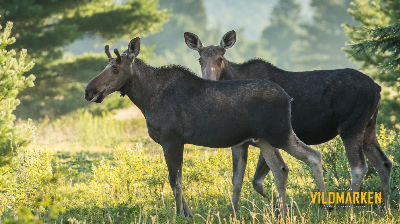
Багатоденна онлайн-трансляція міграції лосів у північній Швеції, під назвою «Велика міграція лосів» (Den stora älgvandringen, SVT) один із найбільш неочікуваних культурних хітів весни, який збирає мільйони глядачів у всьому світі. Феноменальність полягає майже у повній відсутності «подій» та медитативному сприйнятті. Цей формат активно обговорюється як альтернатива швидкому цифровому контенту і нова форма культурного досвіду. На перший погляд, у цьому немає нічого видовищного: ліс, річка, тиша — і, можливо, за кілька годин у кадрі з’явиться лось. Запущене у 2019 році державним мовником Sveriges Television (SVT), шоу працює у форматі так званого slow TV — без монтажу, без музики, без коментарів. Камери фіксують лише одне: щорічну весняну міграцію лосів через річку Онгерманельвен на півночі Швеції. Трансляція триває кілька тижнів і може сягати понад 400 годин безперервного ефіру. За цей час глядач може не побачити жодної тварини — або ж стати свідком короткої, майже випадкової появи лося, який перетинає річку у своєму тисячолітньому маршруті. Саме ця непередбачуваність і стала головним «сюжетом». За даними SVT, трансляції щороку збирають мільйони глядачів. У попередніх сезонах, це понад 9 млн переглядів у Швеції, міжнародна аудиторія з понад 50 країн, включно з Німеччиною, Великою Британією, США, Нідерландами та Канадою
Для науковців ця міграція — не просто видовище. Лосі здійснюють сезонний перехід між зимовими та літніми територіями вже понад 6 тисяч років. Дослідники скандинавської фауни зазначають, що маршрут міграції залишається стабільним поколіннями , перехід через річку залежить від температури, рівня води і доступності корму і, головне, що весняна міграція є критичною для виживання виду.Феномен шоу часто пояснюють втомою від швидкого контенту. Попри свою «простоту», проєкт технічно складний. Трансляція поєднує десятки стаціонарних камер, дрони, підводну зйомку й дані про погоду і рух тварин. Сьогодні споглядання за лосями — це не лише телевізійний проєкт, а культурний символ сучасної Швеції, який свідчить про те, що його головний секрет: у здатності нагадати, що найважливіші процеси — ті, які відбуваються повільно і майже непомітно.
Each spring, a unique Swedish TV project captivates global audiences
A multi-day live broadcast of moose migration in northern Sweden, known as The Great Moose Migration (Den stora älgvandringen, SVT), has become one of the most unexpected cultural phenomena of the season. Each year, it attracts millions of viewers across the world. Its appeal lies in a paradox: almost nothing happens — and yet it holds attention. The slow, meditative rhythm of the broadcast has increasingly been discussed as an alternative to fast-paced digital content and as a new form of cultural experience. At first glance, there is little to see: forest, river, silence — and, perhaps after hours of waiting, a moose appearing briefly in the frame. Launched in 2019 by Sweden’s public broadcaster Sveriges Television (SVT), the project follows the slow TV format — without editing, music or commentary. Cameras simply capture one thing: the annual spring migration of moose across the Ångerman River in northern Sweden. The broadcast runs for several weeks and can exceed 400 hours of continuous footage. During that time, viewers may not see a single animal — or they might witness a fleeting moment as a moose crosses the river along a route it has followed for millennia. It is precisely this unpredictability that creates the programme’s quiet sense of narrative.
According to SVT, the broadcast draws a vast audience each year. In previous seasons, it recorded more than 9 million views in Sweden alone, while international audiences span over 50 countries, including Germany, the UK, the United States, the Netherlands and Canada. For scientists, the migration itself is far from incidental. Moose have been making this seasonal journey between winter and summer habitats for more than 6,000 years. Researchers of Scandinavian wildlife note that migration routes remain remarkably consistent across generations, while the timing of river crossings depends on temperature, water levels and food availability. The spring migration is crucial to the species’ survival. The popularity of the programme is often explained as a response to digital fatigue. In an environment saturated with rapid content, it offers something markedly different. Despite its apparent simplicity, the production is technically complex, combining dozens of fixed cameras, drones, underwater footage, and real-time data on weather conditions and animal movement. Today, The Great Moose Migration is more than a television broadcast — it has become a cultural symbol of contemporary Sweden. It quietly suggests that the most meaningful processes unfold slowly, and often go unnoticed by those unwilling to pause and look more closely.
https://www.svtplay.se/video/ePvLm2E/den-stora-algvandringen/ons-22-apr-06-05?video=visa&position=50904
2425