©
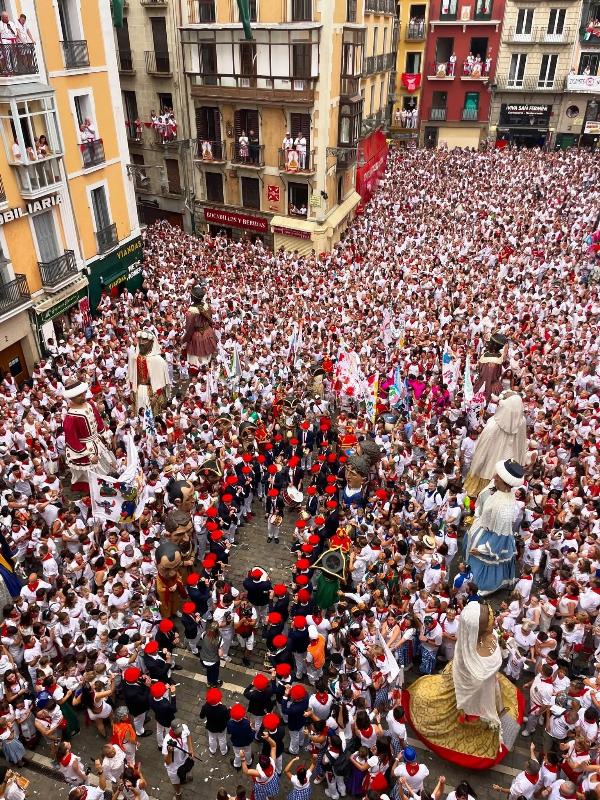
Щороку з 6 до 14 липня столиця Наварри перетворюється на місто, яке ніби тимчасово скасовує власні правила. Дев’ять днів Памплона живе в ритмі релігійних процесій, вуличної музики, танців, концертів і нічних гулянь. Свято відкриває чупінасо — сигнальна ракета, запущена з балкона ратуші. Завершує його опівнічна церемонія Pobre de mí — «Бідолашний я», коли тисячі людей зі свічками прощаються із Сан-Ферміном до наступного літа.
Свято виникло на перетині релігійного вшанування святого Ферміна та середньовічного ярмарку, під час якого до міста приганяли худобу. У 1591 році урочистості перенесли з осені на липень, поєднавши культ святого з літньою торгівлею й міськими розвагами. Найвідомішою частиною Сан-Ферміну став енсьєрро — ранковий забіг перед шістьма бойовими биками та волами, які супроводжують їх до арени. Щодня натовп долає разом із тваринами близько 850 метрів вузькими вулицями історичного центру. Саме Ернест Гемінґвей зробив Памплону частиною глобальної культурної уяви. Уперше він приїхав сюди разом із дружиною Гедлі в липні 1923 року, а згодом неодноразово повертався. Побачене стало матеріалом для роману The Sun Also Rises, опублікованого 1926 року.
У книзі група американських і британських представників «втраченого покоління» прибуває з Парижа на Сан-Фермін, намагаючись заглушити післявоєнну порожнечу подорожами, алкоголем, любовними драмами та небезпекою. Памплона постає місцем, де звичайне життя на кілька днів відступає, а відчуття наслідків ніби зникає. Саме ця романтизація і стала основою міжнародного міфу про Сан-Фермін. Письменник перетворив Памплону на символ свободи, тілесності, чоловічої відваги й життя на межі. Але через сто років цей образ дедалі важче сприймати без критичної дистанції. Те, що в романі виглядало як звільнення від умовностей, сьогодні часто читається як культура безвідповідальності та показового нехтування небезпекою.
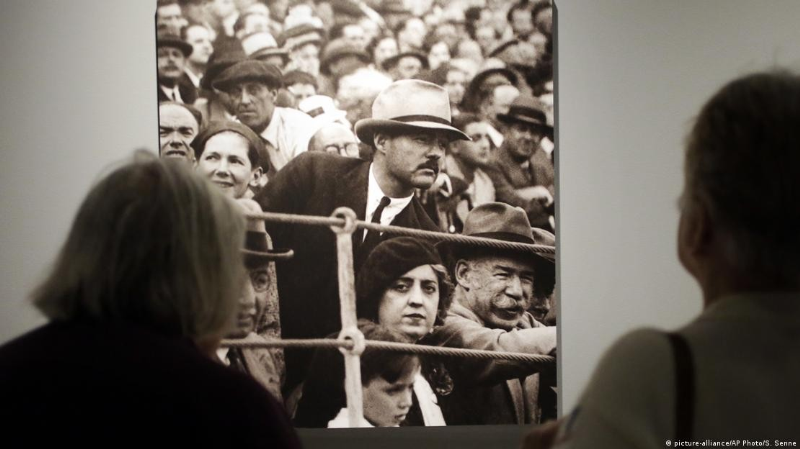
Ернест Гемінґвей спостерігає за коридою у 1927 році.Image: picture-alliance/AP Photo/S. Senne
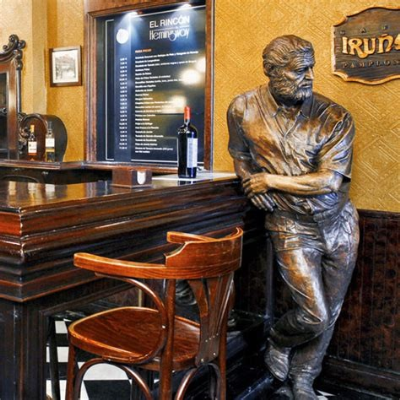
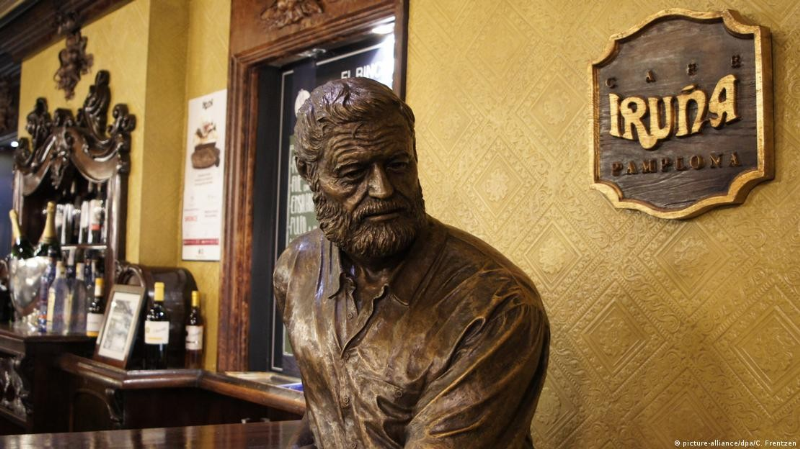
Памплона дбайливо підтримує гемінґвеївський міф. У місті зберігають пов’язані з письменником місця — готель La Perla, Café Iruña, бари й площі, описані в романі. Біля арени встановлено пам’ятник Гемінґвею як «другові цієї землі й шанувальникові її свят», який розповів про них світові. Сан-Фермін 2026 року відкрився за помаранчевого рівня метеорологічної небезпеки. На площі перед ратушею зібралися близько 12 500 людей, а програма налічувала понад 500 подій. Міжнародну пресу, однак, знову цікавили передусім травми. Під час п’ятого енсьєрро один з учасників дістав поранення рогом в обличчя. Небезпечним виявився і фінальний забіг 14 липня: двоє чоловіків були поранені рогами, ще восьмеро потребували допомоги після падінь та ударів. Загалом за вісім забігів травм зазнали 57 людей, четверо з них — від ударів рогами.
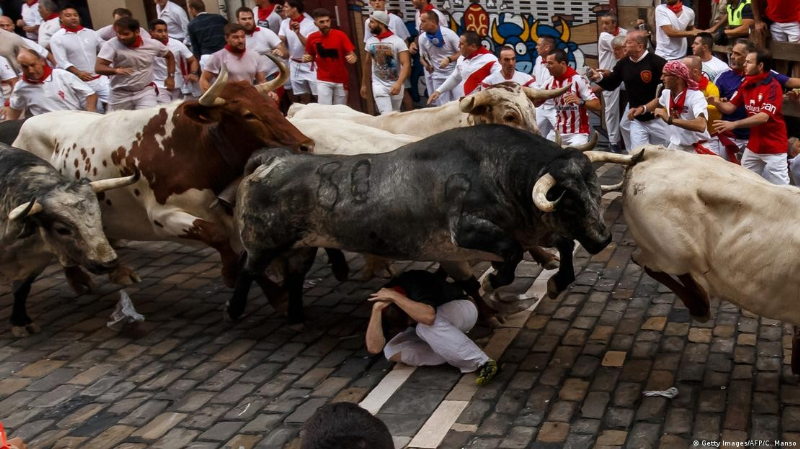
Associated Press, The Guardian, Euronews та інші міжнародні медіа описували ці забіги майже як короткі міські катастрофи: бик відривається від стада, люди падають на бруківку, натовп стискається, а за кілька секунд утворюється завал. Парадокс у тому, що саме небезпека є одним із головних джерел глобальної привабливості свята : Сан-Фермін продає можливість наблизитися до смерті. Ще до відкриття фестивалю організації захисту тварин PETA та AnimaNaturalis провели в центрі Памплони акцію проти кориди. Їхній головний аргумент простий: енсьєрро не завершується на арені. Тих самих биків, яких уранці женуть вулицями міста, ввечері використовують у кориді й убивають матадори. І ця обставина руйнує зручне уявлення про Сан-Фермін як про безневинну фольклорну гру.
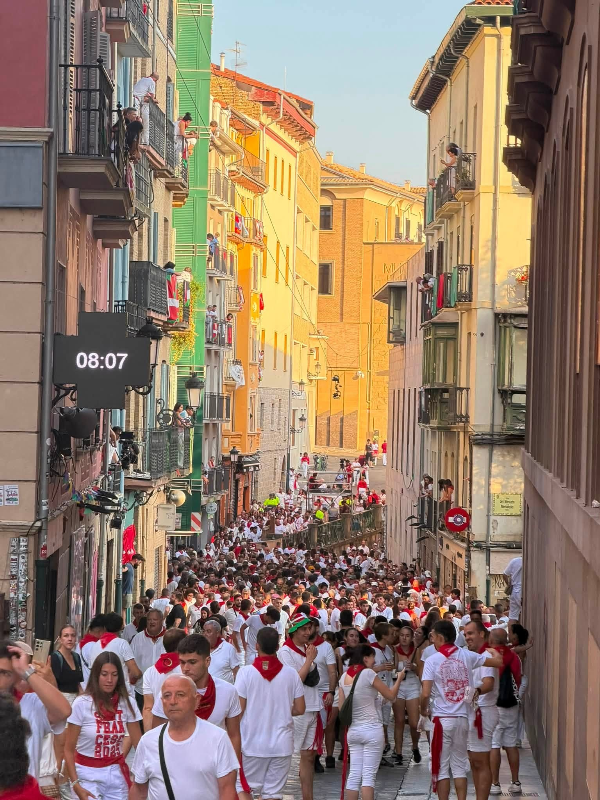
Сан-Фермін забезпечує Памплоні міжнародну впізнаваність, проте частина жителів дедалі відвертіше говорить про місто, яке в липні ризикує перетворитися на сцену для чужих фантазій — передусім гемінґвеївської мрії про алкоголь, мужність і небезпеку без наслідків.
Pamplona after Hemingway: freedom, blood and the price of a grand myth
Every year, from 6 to 14 July, the capital of Navarre becomes a city that seems, for a time, to suspend its own rules. For nine days, Pamplona moves to the rhythm of religious processions, street music, dancing, concerts and late-night revelry. The festival begins with the chupinazo — a ceremonial rocket fired from the balcony of the town hall — and ends with the midnight ritual of Pobre de mí, or “Poor me”, when thousands of candle-bearing revellers bid farewell to San Fermín until the following summer. The festival grew out of the convergence of religious veneration for Saint Fermín and a medieval fair to which livestock was driven for sale. In 1591, the celebrations were moved from autumn to July, bringing the saint’s feast together with summer commerce and popular entertainment.
Its most famous event is the encierro: the morning run ahead of six fighting bulls and the steers that accompany them to the arena. Each day, runners and animals charge through approximately 850 metres of narrow streets in Pamplona’s historic centre. It was Ernest Hemingway who placed Pamplona firmly in the global cultural imagination. He first visited with his wife, Hadley, in July 1923 and returned repeatedly in the years that followed. What he saw provided the material for The Sun Also Rises, published in 1926.
In the novel, a group of American and British members of the “Lost Generation” travel from Paris to the San Fermín festival, attempting to drown their postwar emptiness in travel, alcohol, romantic turmoil and danger. Pamplona becomes a place where ordinary life recedes for several days and any sense of consequences appears to vanish. That romanticisation laid the foundations of the international myth surrounding San Fermín. Hemingway turned Pamplona into a symbol of freedom, physical vitality, masculine courage and life lived on the edge. A century later, however, that image is increasingly difficult to accept without critical distance. What the novel presented as liberation from convention can now look more like a culture of irresponsibility and a theatrical disregard for danger.
Pamplona carefully tends the Hemingway myth. The city preserves the places associated with the writer — Hotel La Perla, Café Iruña and the bars and squares described in his novel. Near the bullring stands a monument honouring Hemingway as a “friend of this land and admirer of its festivals”, who brought them to the attention of the world.The 2026 San Fermín festival opened under an orange weather alert. Around 12,500 people packed the square outside the town hall, while the official programme featured more than 500 events. Yet once again, it was the injuries that commanded the attention of the international press. During the fifth encierro, one runner was gored in the face. The final run, on 14 July, also proved dangerous: two men were gored, while eight others required medical treatment after falls and collisions. In all, 57 people were injured over the course of the eight runs, four of them by bulls’ horns.
The Associated Press, The Guardian, Euronews and other international outlets portrayed the runs almost as miniature urban disasters: a bull breaks away from the herd, people tumble on to the cobblestones, the crowd contracts and, within seconds, a human pile-up forms.
The paradox is that danger itself remains one of the festival’s principal sources of global appeal. San Fermín sells the chance to come close to death. Even before the festival opened, the animal-rights organisations PETA and AnimaNaturalis staged a protest against bullfighting in central Pamplona. Their central argument was simple: the encierro does not end at the arena. The same bulls driven through the city’s streets in the morning are used in bullfights that evening and killed by matadors. That fact shatters the convenient image of San Fermín as a harmless piece of folklore. San Fermín gives Pamplona international visibility. Yet a growing number of residents are speaking openly about a city that, every July, risks becoming a stage for other people’s fantasies — above all, Hemingway’s dream of alcohol, courage and danger without consequences.
3026