©
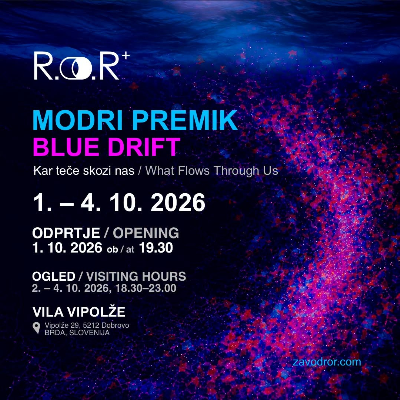
У Вілі Віполже в словенському регіоні Брда проходить фестиваль сучасного мистецтва R.o.R+, присвячений воді, мікропластику та взаємозв’язку людини з довкіллям. Цьогоріч фестиваль уперше відбувається на цій історичній локації та об’єднує 15 художників і мистецьких колективів із шести країн. «Ми хочемо змістити увагу від питання, що людина робить із природою, до питання, наскільки глибоко ми самі є частиною тієї самої системи», — пояснює художній керівник фестивалю Юрій Павліца. За його словами, вода, частинки, організми й люди не існують як окремі світи: речовини, які потрапляють у довкілля, не зникають, а продовжують рухатися через водні системи та живі організми.
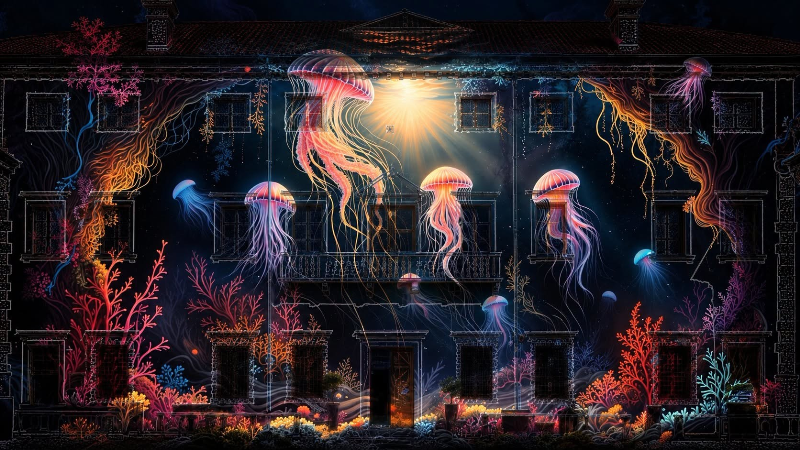
Avtor Radu Ignat
Про цю проблему говорить і Сенді Манго, представниця Zavod ROR. Вона наголошує, що суспільство недостатньо усвідомлює, як забруднення, часто ненавмисно, шкодить одночасно людині та довкіллю. Саме тому фестиваль намагається показати екологічну проблему не як щось віддалене — наприклад, пластикове забруднення океану, — а як процес, який зрештою повертається до людини. Її коментарі прозвучали напередодні фестивалю в словенських медіа Primorske novice та Primorski val. Важливою частиною програми стане безпосередній діалог мистецтва з наукою. Разом із GLOBE Italia, Інститутом води Республіки Словенія та Національним хімічним інститутом організатори проведуть лабораторію з відбору зразків мікропластику у воді. Відвідувачі зможуть побачити, як науковці виявляють і досліджують дрібні пластикові частинки у водному середовищі. Окремо 3 жовтня відбудеться круглий стіл про вплив відходів і пластику на річку Соча.
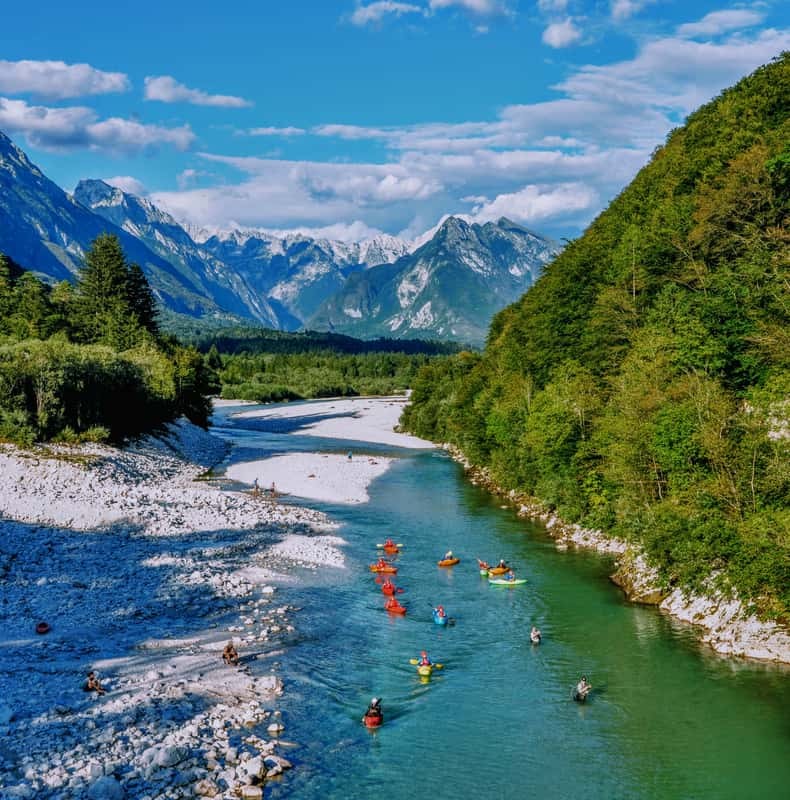
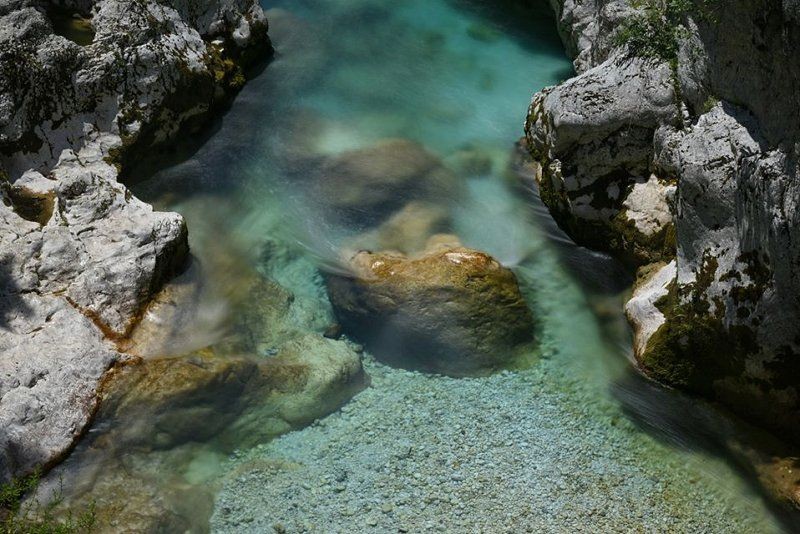
Річка Соча
Фестиваль пропонує не просто говорити про «збереження природи», а поставити під сумнів саме розділення людини й довкілля. Мікропластик, вода, організми та людське тіло в цій концепції є частинами одного безперервного руху — і саме цю невидиму циркуляцію речовин намагаються зробити помітною як художники, так і науковці.
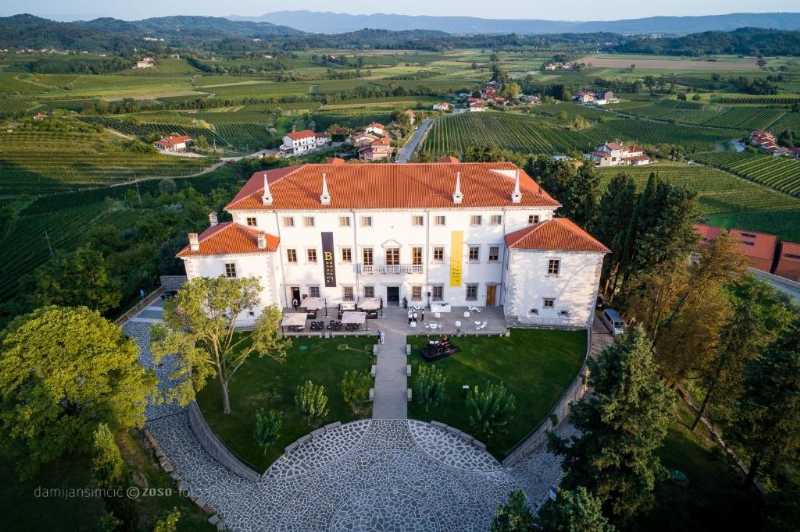
Вілла Вільпоже
Словенія має репутацію однієї з найбільш природно збережених країн Європи: близько 40% її території перебуває під охороною, а водні ресурси загалом залишаються достатніми та якісними. Водночас останні оцінки показують, що саме водні екосистеми стають дедалі вразливішими. У червні 2026 року словенське Агентство з довкілля повідомило, що лише 32% водних об’єктів країни відповідають критеріям доброго екологічного стану; серед головних причин — зміна русел річок, втручання в береги та водний режим, сільськогосподарське забруднення й інші види людської діяльності.
Особливо точно це відповідає темі R.o.R+: словенське узбережжя та Адріатичне море вже стикаються з пластиковим і мікропластиковим забрудненням. За офіційним моніторингом 2025 року, пластик і мікровідходи переважають серед морського сміття, а понад 75% проаналізованих мікровідходів на поверхні моря становили фрагменти пластику. Словенське Міністерство довкілля прямо зазначає, що забруднення потрапляє у водні системи з різних джерел — сільського господарства, міської та промислової діяльності, стічних вод.
Slovenia: Blue Drift – What Flows Through Us
The R.o.R+ contemporary art festival is taking place at Vila Vipolže in Slovenia’s Brda region, exploring water, microplastics and the interconnectedness of human life and the environment. This year, the festival is being held at the historic venue for the first time, bringing together 15 artists and artistic collectives from six countries. “We want to shift the focus from asking what humans do to nature to asking how deeply we ourselves are part of the same system,” says the festival’s artistic director, Jurij Pavlica. Water, particles, organisms and people, he argues, do not exist as separate worlds: substances released into the environment do not simply disappear, but continue to circulate through water systems and living organisms.
The same concern is voiced by Sendi Mango of Zavod ROR. She argues that society still fails to fully recognise how pollution, often unintentionally, harms both people and the environment. The festival therefore seeks to present environmental damage not as something remote — such as plastic pollution in the oceans — but as a process that ultimately comes back to us. Her comments appeared ahead of the festival in the Slovenian media Primorske novice and Primorski val.
A key part of the programme is the direct encounter between art and science. In partnership with GLOBE Italia, the Institute for Water of the Republic of Slovenia and the National Institute of Chemistry, the festival is hosting a laboratory for sampling microplastics in water. Visitors can see how researchers identify and study tiny plastic particles in aquatic environments. A separate roundtable on the impact of waste and plastic pollution on the Soča River will take place on 3 October.
Rather than simply calling for the “protection of nature”, the festival questions the very idea that humans and the environment can be treated as separate entities. In its vision, microplastics, water, living organisms and the human body form part of a continuous flow — and both artists and scientists are attempting to make this otherwise invisible circulation of substances visible.
Slovenia has a reputation as one of Europe’s most environmentally preserved countries: around 40% of its territory is protected, while its water resources remain relatively abundant and, overall, of good quality. Yet recent assessments show that its aquatic ecosystems are becoming increasingly vulnerable. In June 2026, Slovenia’s Environment Agency reported that only 32% of the country’s water bodies met the criteria for good ecological status. Among the main pressures are changes to river channels, interference with riverbanks and water regimes, agricultural pollution and other forms of human activity.
The issue is particularly relevant to R.o.R+ because Slovenia’s coastline and the Adriatic Sea are already affected by plastic and microplastic pollution. According to official monitoring carried out in 2025, plastic and micro-litter were the dominant forms of marine litter, with plastic fragments accounting for more than 75% of the micro-litter analysed at the sea surface. Slovenia’s Ministry of the Environment notes that pollution enters aquatic systems from a range of sources, including agriculture, urban and industrial activity and wastewater.
The Soča River is therefore of particular significance. It is being studied as part of the TETHYS4ADRION project associated with the festival. Slovenia’s National Institute of Chemistry explains that a significant proportion of plastic reaches the sea through river systems; the Soča is one of five rivers in the Adriatic-Ionian region being studied to trace the movement of plastic from its sources to the sea.
.
117