©
Румунський актор Адріан Венчіке (Adrian Văncică) отримав нагороду Heart of Sarajevo за найкращу чоловічу роль на 32-му Sarajevo Film Festival за роботу у драмі Флоріна Шербана «You Don’t Belong Here» («Nu e locul tău aici»). Для актора, якого румунська аудиторія багато років знала передусім завдяки комедійному серіалу Las Fierbinți, ця відзнака стала важливим підтвердженням його статусу сильного драматичного виконавця. Венчіке давно працює не лише на телебаченні: у його фільмографії — картини Раду Мунтяна, Крістіана Мунджіу та інших режисерів сучасного румунського кіно.
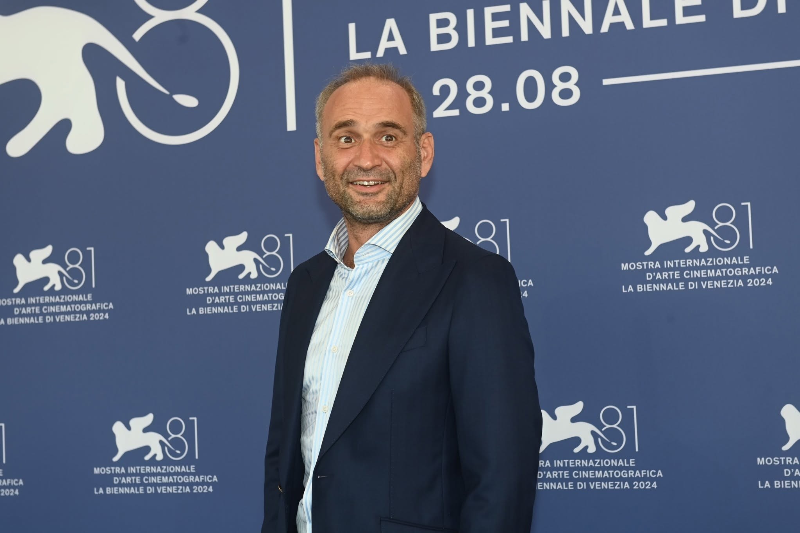
Adrian Văncică
У You Don’t Belong Here Венчіке грає Маріуса — успішного хірурга і керівника лікарні, чий упорядкований світ починає руйнуватися після того, як його сина-підлітка підозрюють у причетності до насильства проти ромської громади та вбивства. Фільм перетворює сімейну драму на ширше дослідження відповідальності, батьківства, суспільної агресії та кризи традиційної маскулінності. Ще до Сараєва стрічка здобула головну нагороду кінофестивалю в Локарно — Golden Leopard, що зробило її одним із найпомітніших румунських фільмів 2026 року.
SARAJEVO FILM FESTIVAL
Перемога Венчіке стала частиною сильної конкурсної програми Sarajevo Film Festival 2026. Головне Heart of Sarajevo за найкращий ігровий фільм отримала картина Everytime Сандри Воллнер, нагороду за режисуру — Ана Урушадзе за Supporting Role, а найкращою акторкою стала Єва Костич за 17. Для румунського кіно успіх Венчіке має ширше значення: він демонструє, що актор, тісно пов’язаний із масовою телевізійною культурою, може переконливо перейти до складного авторського кіно й отримати визнання на одному з ключових фестивалів Південно-Східної Європи.

SARAJEVO FILM FESTIVAL
Heart of Sarajevo for Adrian Văncică: A New Stage of International Recognition for the Romanian Actor
Romanian actor Adrian Văncică received the Heart of Sarajevo for Best Actor at the 32nd Sarajevo Film Festival for his performance in Florin Șerban’s drama You Don’t Belong Here (Nu e locul tău aici). For Văncică, who has long been known to Romanian audiences primarily for the popular comedy series Las Fierbinți, the award represents an important recognition of his strength as a dramatic actor. His career, however, extends far beyond television: his filmography includes works by some of the leading figures of contemporary Romanian cinema, including Radu Muntean and Cristian Mungiu.
In You Don’t Belong Here, Văncică plays Marius, a successful surgeon and hospital director whose carefully ordered life begins to collapse after his teenage son is suspected of involvement in violent attacks against the Roma community and in a murder. The film gradually transforms a family drama into a broader exploration of responsibility, fatherhood, social aggression, and the crisis of traditional masculinity. Even before Sarajevo, the film had achieved major international success by winning the Golden Leopard at the Locarno Film Festival, becoming one of the most prominent Romanian films of 2026.
International critics have particularly highlighted Văncică’s transformation throughout the film. Amber Wilkinson of Screen International drew attention to the gradual psychological breakdown of his character—from a self-confident professional to a man losing control over his life. Giorgia Del Don of Cineuropa described the film as a precise examination of a patriarchal model in crisis, while Matthew Joseph Jenner of the International Cinephile Society praised Văncică’s performance for its exceptional psychological depth. Critics from Le Monde and Variety were more reserved about the film’s length and dramatic structure, but the diversity of critical responses underlines the film’s ability to provoke debate.
Văncică’s victory was part of a strong competition at the 2026 Sarajevo Film Festival. The main Heart of Sarajevo for Best Feature Film went to Sandra Wollner’s Everytime, Ana Urushadze received the Best Director award for Supporting Role, while Eva Kostić was named Best Actress for 17. For Romanian cinema, Văncică’s success carries significance beyond a single acting prize: it demonstrates how an actor closely associated with mainstream television can successfully move into psychologically demanding auteur cinema and gain international recognition at one of Southeast Europe’s most important film festivals.
7