©
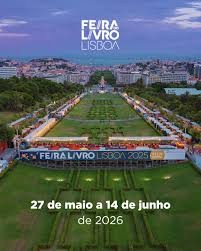
Лісабонський книжковий ярмарок 2026 року, який пройде з 27 травня до 14 червня у парку Едуарда VII, уже називають найбільшою літературною подією Португалії. Організатори анонсують понад 2200 подій, сотні павільйонів і майже дев’ять сотень видавничих брендів — але головний акцент цього року зроблено не лише на книжках як таких, а на перетворенні літератури на повноцінний міський досвід. Ярмарок дедалі більше нагадує великі європейські культурні форуми, де література взаємодіє з урбаністикою, музикою й сучасним мистецтвом. На цьому тлі центральною постаттю португальського літературного сезону став Ґонсалу М. Тавареш — автор, чия репутація давно вийшла за межі національної сцени. Після присудження йому Premio Formentor de las Letras 2026 критики дедалі частіше говорять про Тавареша як про одного з ключових європейських письменників сучасності. Журі премії відзначило його здатність створювати «епіку сучасного дезорієнтованого світу», а іспанська та португальська преса назвала його прозу однією з найважливіших спроб осмислення моральної втоми Заходу.
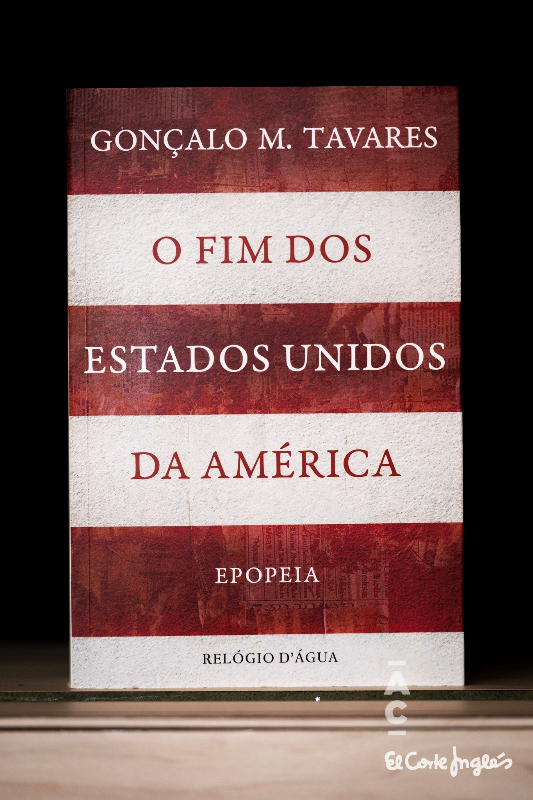
У центрі дискусій опинився його новий роман «Занепад Сполучених Штатів Америки. Епопея» (O Fim dos Estados Unidos da América. Epopeia) — масштабна антиутопічна конструкція, у якій політичний епос поєднується з філософською притчею про виснаження імперій, страх перед майбутнім і кризу демократичних інституцій. Оглядачі Expresso та Público порівнюють роман із традицією великого європейського роману ХХ століття — від Музіля до Сарамаґу, — хоча сам Тавареш працює значно жорсткіше й фрагментарніше, створюючи текст, де цивілізація виглядає виснаженою власною логікою. Міжнародну увагу привернула й реакція есеїста Альберту Манґела (Alberto Manguel), який назвав Тавареша «одним із найамбітніших письменників століття». Саме ця інтелектуальна амбіція — поєднання політичної алегорії, філософії та майже математичної структури тексту — сьогодні визначає місце письменника в європейському літературному каноні.
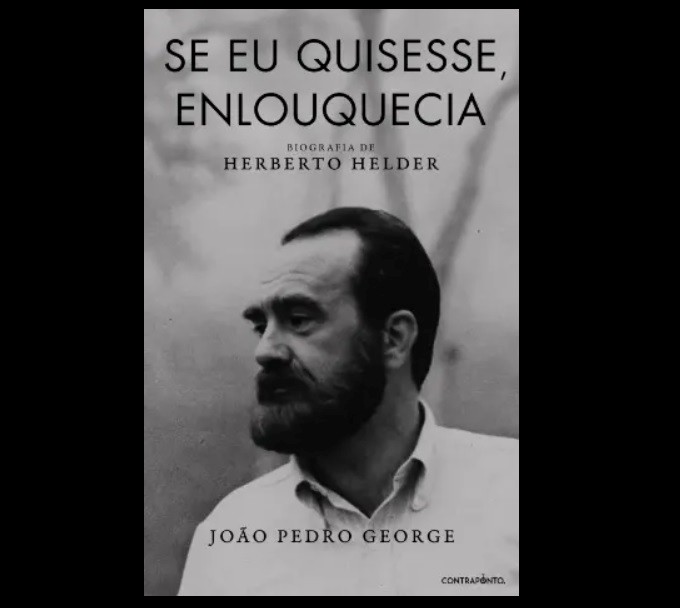
Помітною подією в нонфікшні стала книжка Жуана Педру Жорже (João Pedro George) «Якби я захотів, то збожеволів би» (Se Eu Quisesse, Enlouquecia) — велика біографія Ерберту Елдера (Herberto Helder), одного з найзакритіших і найміфологізованіших португальських поетів. Критики Жозе Маріу Сілва (José Mário Silva) та Мігел Реал (Miguel Real) розглядають її не лише як життєпис автора, а як реконструкцію інтелектуальної та культурної історії Португалії другої половини ХХ століття. Серед найважливіших голосів року також залишається Джаїмілія Перейра де Алмейда (Djaimilia Pereira de Almeida), чий роман «Життя, сьогодні» (Vida, hoje) продовжує дослідження тем пам’яті, раси, родини та постколоніального досвіду. Її проза дедалі частіше описується європейськими критиками як приклад нового транснаціонального роману — літератури, що існує поза старими національними рамками.

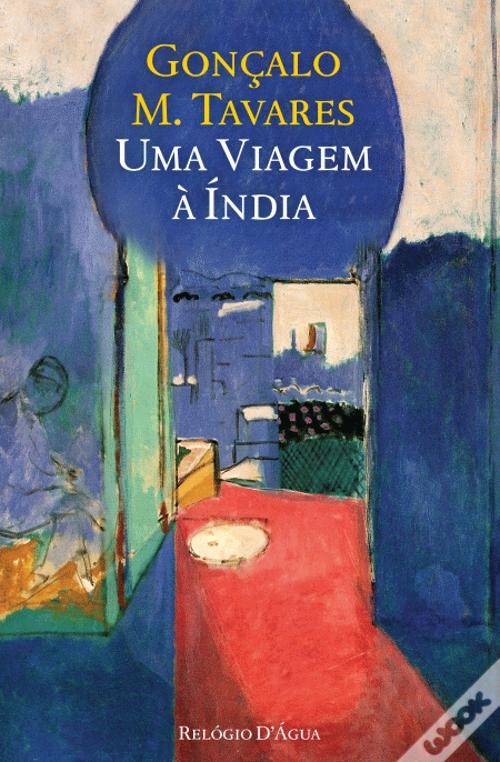
Неочікуваним видавничим успіхом став і дебют співачки Луїзи Собрал (Luísa Sobral) «Не всі дерева помирають стоячи» (Nem Todas as Árvores Morrem de Pé). Попри скепсис щодо «зіркової прози», книжка отримала серйозну критичну увагу: оглядачі відзначали її кінематографічну мову, інтимність і складну роботу з історичною пам’яттю. У Público роман навіть назвали значно глибшим і літературно переконливішим, ніж очікував масовий ринок. Водночас португальська критика активно повертається й до попередніх книжок Тавареша — передусім до роману «Подорож до Індії» (Uma Viagem à Índia), який дедалі частіше називають сучасною європейською класикою. Ще кілька років тому поет і есеїст Вашку Ґраса Моура (Vasco Graça Moura) припускав, що про цей текст говоритимуть і через століття. Сьогодні така оцінка вже не виглядає гіперболою.
Народжений 1970 року в Луанді, тодішній португальській колонії Анголі, Ґонсалу М. Тавареш належить до тих авторів, які сформували новий образ португальської літератури у світі — інтелектуальної, політичної, філософської та радикально європейської за масштабом мислення. Його книжки «Єрусалим» (Jerusalém), «Подорож до Індії» (Uma Viagem à Índia), «Навчитися молитися в епоху техніки» (Aprender a Rezar na Era da Técnica) та «Занепад Сполучених Штатів Америки. Епопея» (O Fim dos Estados Unidos da América. Epopeia) сьогодні дедалі частіше згадують у контексті великої літератури про кризу сучасної цивілізації.
The Lisbon Book Fair Announces a Discussion on the Crisis of Civilization, Power, and Historical Memory
The 2026 Lisbon Book Fair, taking place from May 27 to June 14 in Eduardo VII Park, is already being called the largest literary event in Portugal. Organizers are announcing more than 2,200 events, hundreds of pavilions, and nearly nine hundred publishing brands — yet this year the main focus is not only on books themselves, but on transforming literature into a fully immersive urban experience. The fair increasingly resembles major European cultural forums where literature interacts with urbanism, music, and contemporary art. Against this backdrop, the central figure of the Portuguese literary season has become Gonçalo M. Tavares — an author whose reputation has long extended beyond the national scene. Following his receipt of the Premio Formentor de las Letras 2026, critics are increasingly referring to Tavares as one of the key European writers of our time. The award jury praised his ability to create an “epic of the modern disoriented world,” while the Spanish and Portuguese press described his prose as one of the most important attempts to reflect on the moral exhaustion of the West.
At the center of the discussions is his new novel The Decline of the United States of America. Epic (O Fim dos Estados Unidos da América. Epopeia) — a large-scale dystopian construction in which political epic merges with a philosophical parable about the exhaustion of empires, fear of the future, and the crisis of democratic institutions. Reviewers from Expresso and Público compare the novel to the tradition of the great European novels of the twentieth century — from Musil to Saramago — although Tavares himself works in a far harsher and more fragmented manner, creating a text in which civilization appears exhausted by its own logic. International attention has also been drawn to the reaction of essayist Alberto Manguel, who described Tavares as “one of the most ambitious writers of the century.” It is precisely this intellectual ambition — the combination of political allegory, philosophy, and an almost mathematical structure of the text — that today defines the writer’s place within the European literary canon.
A notable event in nonfiction has been the publication of João Pedro George’s book If I Wanted To, I Would Go Mad (Se Eu Quisesse, Enlouquecia) — a major biography of Herberto Helder, one of the most reclusive and mythologized Portuguese poets. Critics José Mário Silva and Miguel Real view it not merely as the life story of an author, but as a reconstruction of the intellectual and cultural history of Portugal in the second half of the twentieth century. Among the most important literary voices of the year remains Djaimilia Pereira de Almeida, whose novel Life, Today (Vida, hoje) continues to explore themes of memory, race, family, and the postcolonial experience. Her prose is increasingly described by European critics as an example of the new transnational novel — literature that exists beyond old national frameworks.
An unexpected publishing success also came with the debut novel by singer Luísa Sobral, Not All Trees Die Standing (Nem Todas as Árvores Morrem de Pé). Despite skepticism toward “celebrity fiction,” the book received serious critical attention: reviewers praised its cinematic language, intimacy, and sophisticated engagement with historical memory. In Público, the novel was even described as far deeper and more literarily convincing than the mass market had expected.
At the same time, Portuguese criticism has actively returned to Tavares’s earlier works — above all to the novel A Journey to India (Uma Viagem à Índia), which is increasingly being called a modern European classic. Several years ago, poet and essayist Vasco Graça Moura suggested that this text would still be discussed a century from now. Today, such an assessment no longer appears hyperbolic.
Born in 1970 in Luanda, then part of the Portuguese colony of Angola, Gonçalo M. Tavares belongs to the group of authors who shaped a new global image of Portuguese literature — intellectual, political, philosophical, and radically European in the scale of its thinking. His books Jerusalem (Jerusalém), A Journey to India (Uma Viagem à Índia), Learning to Pray in the Age of Technique (Aprender a Rezar na Era da Técnica), and The Decline of the United States of America. Epic (O Fim dos Estados Unidos da América. Epopeia) are increasingly discussed today within the context of great literature about the crisis of modern civilization.
257