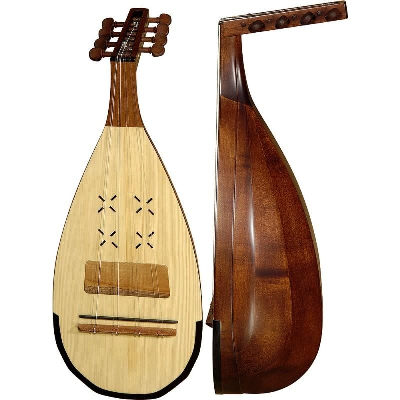
© ЮНЕСКО
ЮНЕСКО внесла до Репрезентативного списку нематеріальної культурної спадщини людства кобзу — традиційний струнний інструмент, а також пов’язані з ним знання, майстерність виготовлення та музичні практики. Спільну номінацію подали Румунія та Республіка Молдова. Для Румунії це стало одинадцятим елементом у списку, а для обох країн — важливим кроком у збереженні спільної культурної традиції.
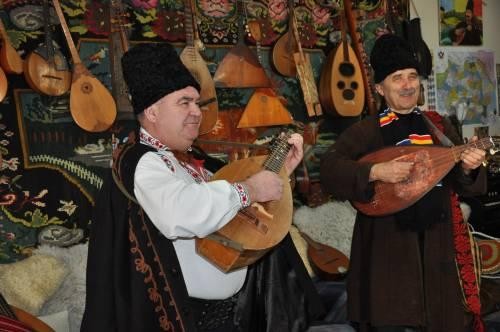
ЮНЕСКО
Кобза має грушоподібний корпус, короткий гриф і струни, звук яких традиційно видобувають за допомогою зігнутого гусячого пера. Історія кобзи в румунському культурному просторі простежується щонайменше від XVIII століття. Інструмент був поширений у різних частинах історичної Волощини — Мунтенії (східна частина регіону, де нині розташований Бухарест) та Олтенії (західна частина, з центром у Крайові), а також у Молдові. Його використовували як сільські музиканти, так і професійні виконавці. З часом сформувалися регіональні різновиди кобзи, що відображають місцеві музичні смаки й традиції майстерності.
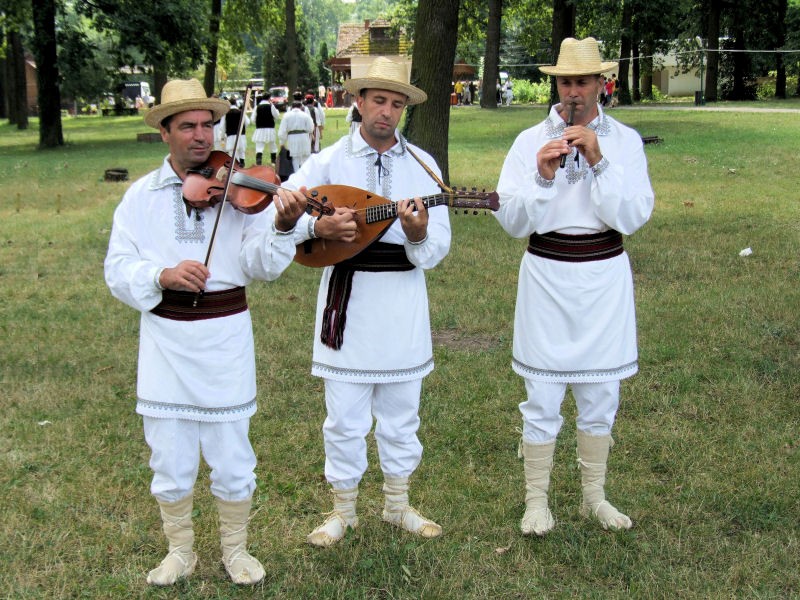
ЮНЕСКО
Визнання ЮНЕСКО стосується не лише самого інструмента, а й цілого культурного світу, який із ним пов’язаний: способів виготовлення, виконавських прийомів, ритмічних формул, місцевих мелодійних репертуарів і традицій колективного музикування. Нематеріальна спадщина — це не тільки пам’ять про минуле, а й жива практика, що продовжує розвиватися в сучасному суспільстві. Саме тому внесення кобзи до списку ЮНЕСКО має значення далеко за межами Румунії та Молдови: воно привертає увагу до музичного розмаїття Східної Європи, до майстерності народних майстрів і до культурних традицій, які не знають державних кордонів.
The Cobza: A Musical Tradition of Romania and Moldova Added to UNESCO’s Intangible Cultural Heritage List
UNESCO has added the cobza — a traditional stringed instrument — to its Representative List of the Intangible Cultural Heritage of Humanity, recognising not only the instrument itself but also the knowledge, craftsmanship and musical practices associated with it. The joint nomination was submitted by Romania and the Republic of Moldova. For Romania, this marks the eleventh element on the list, and for both countries an important step towards safeguarding a shared cultural tradition.
The cobza has a pear-shaped body, a short neck and strings traditionally plucked with a curved goose quill. Its history in Romanian culture can be traced back at least to the eighteenth century. The instrument was played across several parts of historical Wallachia — Muntenia, in the east of the region, where Bucharest is now located, and Oltenia, to the west, centred on the city of Craiova — as well as in Moldova. It was played by both village musicians and professional performers. Over time, regional variations emerged, reflecting local musical tastes and distinctive traditions of craftsmanship.
UNESCO’s recognition extends beyond the instrument itself to the wider cultural world associated with it: the techniques used to make it, styles of performance, rhythmic patterns, local melodic repertoires and traditions of ensemble playing. This knowledge is passed down from one generation to the next through family teaching, apprenticeships with skilled makers, musical ensembles, and educational and cultural initiatives.
Intangible cultural heritage is not simply a record of the past; it is a living practice that continues to evolve within contemporary society. The inclusion of the cobza on UNESCO’s list therefore has significance well beyond Romania and Moldova. It draws attention to the musical diversity of Eastern Europe, the craftsmanship of traditional instrument makers and the cultural traditions that transcend national borders.
136