© Székesfehérvári Királyi Napok
Угорський Секешфегервар на десять днів повертається до свого королівського минулого: тут розпочалися Székesfehérvári Királyi Napok — Королівські дні, одна з головних історико-культурних подій країни. Цьогорічна програма триватиме до 23 серпня і значною мірою присвячена королю Людовику I Великому, від народження якого минає 700 років.
Székesfehérvári Királyi Napok
Упродовж століть Секешфегервар був одним із головних політичних і сакральних центрів Угорського королівства. Тут містилася коронаційна базиліка, де коронували десятки угорських монархів і де були поховані король Іштван I Святий та низка його наступників. Сьогодні залишки базиліки входять до Національного меморіального комплексу.
Székesfehérvári Királyi Napok
Центральною історичною постаттю цьогорічного фестивалю став Людовик I Великий — Nagy Lajos, один із найвідоміших правителів Анжуйської династії. До 700-річчя від його народження організатори підготували окрему виставку про життя монарха, наукову конференцію, а також сценічні програми, присвячені його правлінню.
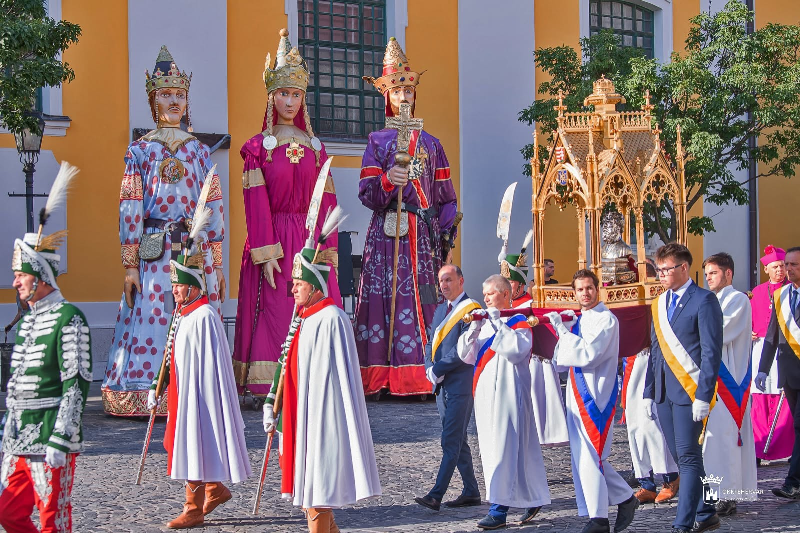
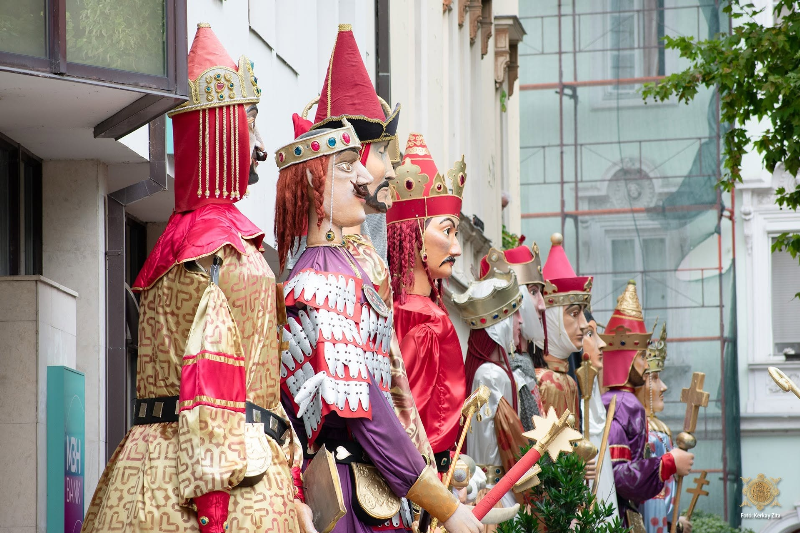
Одним із найвидовищніших символів фестивалю традиційно залишається хода гігантських ляльок угорських королів. Цього року до колекції додали постаті Карла I Роберта та Людовика I, тож загальна кількість королівських фігур сягнула 25. Székesfehérvári Királyi Napok
Székesfehérvári Királyi Napok
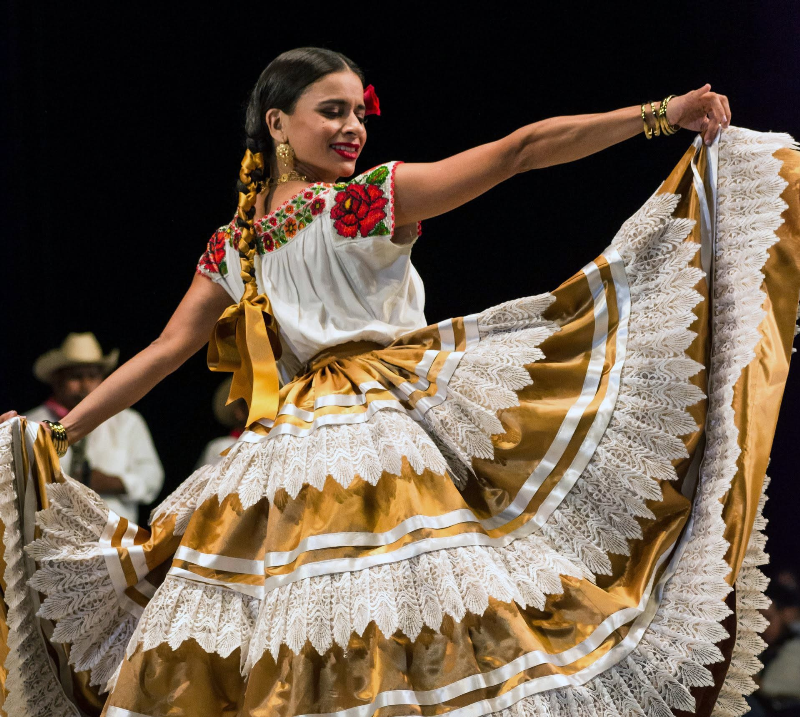
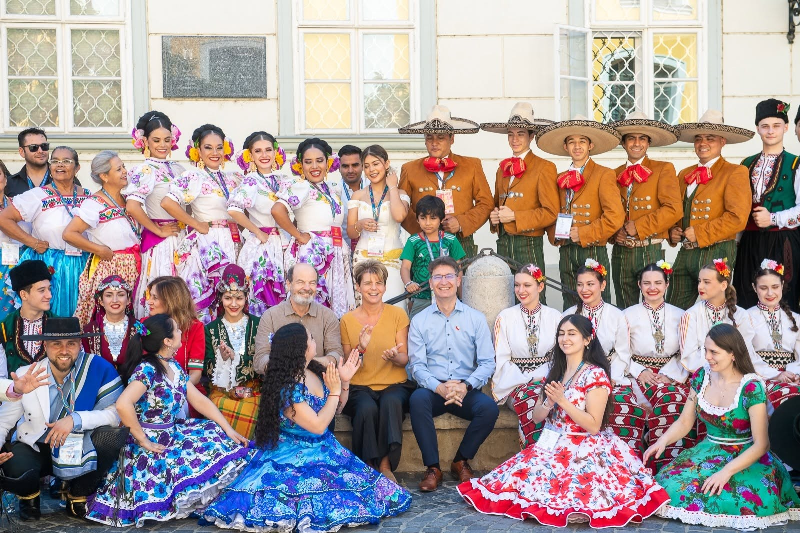
Одночасно в місті проходить 31-й Міжнародний фестиваль народного танцю, на який приїхали колективи з Болгарії, Словенії, Чилі та Мексики.
Окремою частиною програми стане реконструкція коронації на території Національного меморіалу. Кульмінаційні події відбудуться 20–23 серпня, коли в Угорщині відзначають День Святого Іштвана. У Зічі-парку розіб’ють табори історичних реконструкторів, одну з центральних площ перетворять на середньовічний ринок, а окрему програму присвятять лицарській культурі. Переможець четвертого турніру Святого Іштвана отримає символічний Меч Секешфегервара.
Székesfehérvári Királyi Napok
Hungary’s Royal Days Festival Celebrates Louis the Great
The Hungarian city of Székesfehérvár is turning back to its royal past for ten days as the Székesfehérvári Királyi Napok, or Royal Days, gets under way. One of the country’s leading historical and cultural festivals, this year’s programme runs until 23 August and is largely dedicated to King Louis I the Great, marking the 700th anniversary of his birth.
For centuries, Székesfehérvár was one of the principal political and religious centres of the Kingdom of Hungary. It was home to the coronation basilica where dozens of Hungarian monarchs were crowned and where King Stephen I, later canonised as Saint Stephen, and several of his successors were buried. The remains of the basilica now form part of the city’s National Memorial Site.
The central historical figure of this year’s festival is Louis I the Great — Nagy Lajos in Hungarian — one of the most prominent rulers of the Angevin dynasty. To mark the 700th anniversary of his birth, organisers have prepared a dedicated exhibition on the monarch’s life, an academic conference and a series of stage productions exploring his reign.
One of the festival’s most striking traditions is the procession of giant puppets depicting Hungarian kings. This year, figures representing Charles I Robert and Louis I have been added to the collection, bringing the total number of royal puppets parading through the city to 25.
Székesfehérvár is also hosting the 31st International Folk Dance Festival, with ensembles from Bulgaria, Slovenia, Chile and Mexico taking part. The programme will include a re-enactment of a royal coronation at the National Memorial Site. The festival’s main events will take place from 20 to 23 August, coinciding with Hungary’s celebrations of Saint Stephen’s Day. Historical re-enactment groups will set up camp in Zichy Park, one of the city’s central squares will be transformed into a medieval market, and a separate programme will explore the culture of medieval knighthood.
The winner of the fourth Saint Stephen Tournament will be awarded the symbolic Sword of Székesfehérvár.
868