©
15–18 жовтня в Канберрі відбудеться десятий Canberra Writers Festival, об’єднаний темою For the Love of Books («З любові до книжок»). У програмі — понад 100 подій за участю більш ніж 200 авторів, журналістів, критиків і митців; головним майданчиком стане Національна бібліотека Австралії. Проте ювілейний фестиваль пропонує говорити не лише про любов до читання, а й про місце літератури у світі, де змінюються способи спілкування, поширення інформації та формування суспільних уявлень. На відкритті шотландський письменник Ендрю О’Гаґан, австралійські автори Анна Ґолдсворті й Сян Лу та літературознавиця Софі Джі обговорюватимуть книжки, що вплинули на їхнє життя, а також майбутнє літератури.
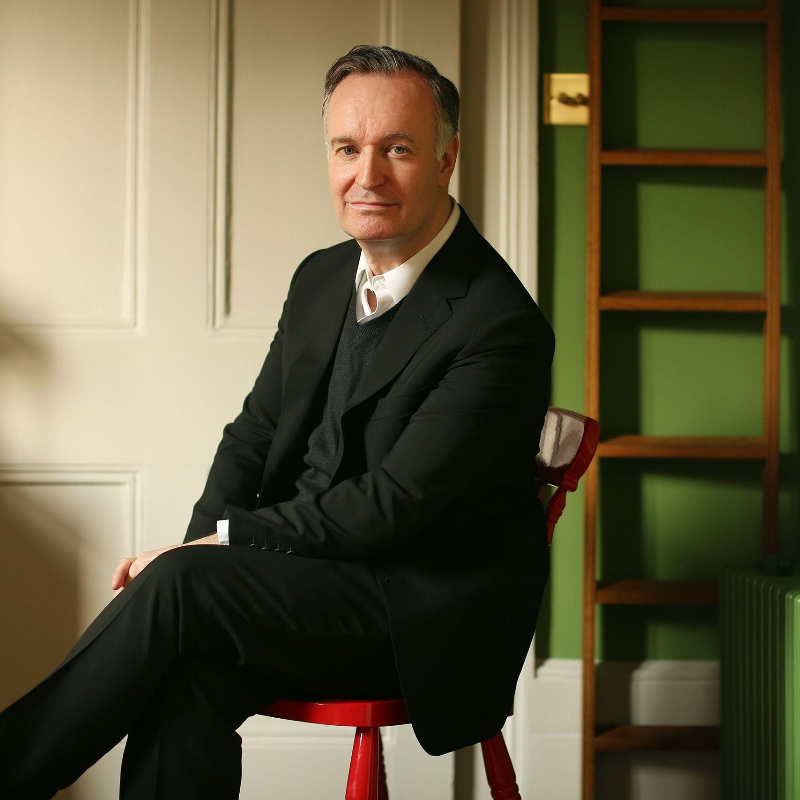
Ендрю О’Гаґан (Andrew O’Hagan)
Одна з найвиразніших тем програми — вплив цифрових технологій на людські стосунки та саму природу оповіді. Американська письменниця Елейн Кастільйо говоритиме про літературний кіберпростір, а Стів Толц долучиться до розмови про самотність і пошук зв’язку в добу віртуальної реальності та штучного інтелекту. Ці дискусії перегукуються з міжнародною критикою роману Кастільйо Moderation: у рецензії для The Guardian Яґнішсінґ Давур розглядає його як гострий погляд на індустрію соціальних мереж, працю модераторів контенту та психологічну ціну цифрового середовища.
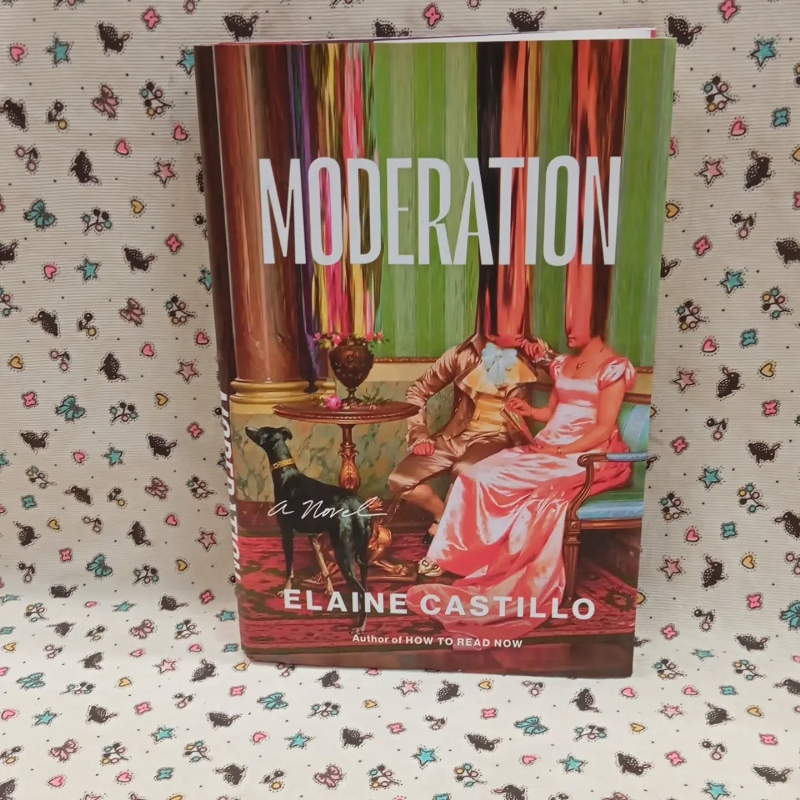
Австралійський мовник ABC також включив роман до добірки помітних книжок, звернувши увагу на досвід героїні, яка щодня стикається з найтемнішими сторонами інтернету. Іншу оптику пропонує американська журналістка Сьюзен Орлеан, учасниця фестивалю: рецензуючи її мемуари Joyride, критикиня The Guardian Мітілі Рао наголошує на здатності авторки відкривати складність і поезію повсякденного життя через допитливість та уважне спостереження.
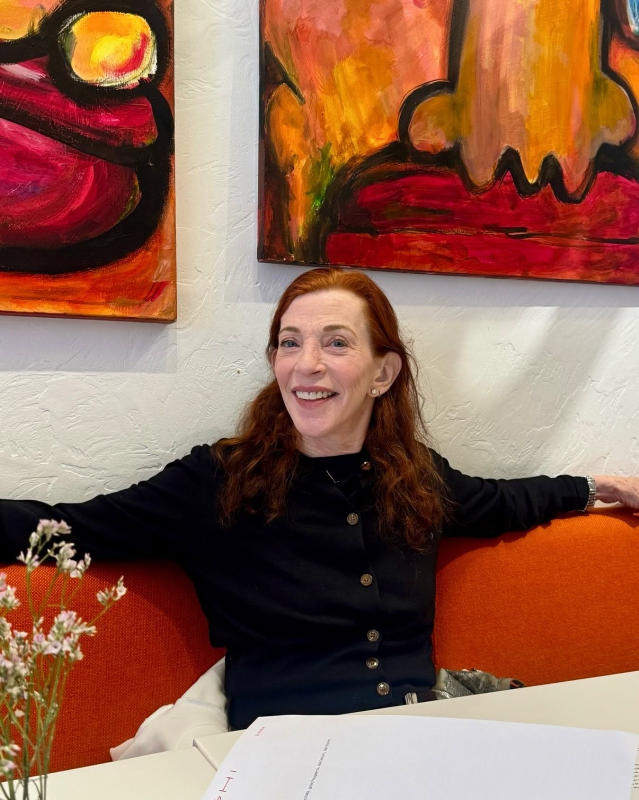
Сьюзен Орлеан (Susan Orlean)
Фестиваль виходить за межі індивідуального досвіду, звертаючись до кліматичної кризи, міграції, історичної пам’яті та літератур корінних народів Австралії. У програмі передбачені розмови про кліматичну прозу (cli-fi), політичні конфлікти, міграційні історії та Indigenous futurisms — художнє осмислення майбутнього з позицій корінних народів. Такий вибір тем відповідає ширшій дискусії в австралійському літературному середовищі. У статті для The Conversation дослідниці Рейчел Геннессі, Алекс Котрен і Емі Метьюз показують, що кліматична література не лише попереджає про можливі катастрофи, а й допомагає авторам і читачам осмислювати тривогу перед майбутнім. А дослідження в журналі Continuum пропонує читати Indigenous futurisms через взаємозв’язок культури, спільноти та землі, а не лише як різновид фантастики. У цьому контексті Canberra Writers Festival постає не просто святом книжок, а простором, де література стає способом осмислення технологічних змін, суспільних розламів і можливих сценаріїв майбутнього.
Canberra Writers Festival: How Books Respond to the Challenges of Our Time
The tenth Canberra Writers Festival will take place from 15 to 18 October under the theme For the Love of Books. The programme features more than 100 events with over 200 writers, journalists, critics and artists, with the National Library of Australia serving as the festival’s main venue. Yet this anniversary edition invites audiences to look beyond a love of reading and consider the place of literature in a world where communication, the flow of information and the formation of public opinion are rapidly changing. At the opening event, Scottish writer Andrew O’Hagan, Australian authors Anna Goldsworthy and Xiang Lu, and literary scholar Sophie Gee will discuss the books that have shaped their lives, as well as the future of literature.
One of the programme’s most prominent themes is the impact of digital technology on human relationships and the art of storytelling itself. American writer Elaine Castillo will explore the literary cybersphere, while Australian novelist Steve Toltz will join a discussion on loneliness and the search for connection in an age of virtual reality and artificial intelligence. These conversations resonate with international criticism of Castillo’s novel Moderation. In a review for The Guardian, Yagnishsing Dawoor examines the book as a sharp critique of the social media industry, the work of content moderators and the psychological toll of life in a digital environment.
Australian broadcaster ABC also included the novel in its selection of notable books, highlighting the experience of a protagonist who confronts the darker side of the internet every day. A different perspective comes from American journalist Susan Orlean, another festival guest. Reviewing her memoir Joyride, The Guardian critic Mithila Rao highlights Orlean’s ability to uncover the complexity and poetry of everyday life through curiosity and close observation.
The festival reaches beyond individual experience to address the climate crisis, migration, historical memory and the literature of Australia’s First Nations peoples. Its programme includes discussions of climate fiction (cli-fi), political conflict, migration narratives and Indigenous futurisms — creative visions of the future shaped by Indigenous perspectives. This choice of themes reflects a broader debate within Australia’s literary community. In an article for The Conversation, researchers Rachel Hennessy, Alex Cothren and Amy Matthews explore how climate fiction does more than warn of potential disasters: it also helps writers and readers make sense of their anxieties about the future. Research published in the journal Continuum likewise suggests that Indigenous futurisms should be understood through the connections between culture, community and Country, rather than simply as a form of speculative fiction. In this context, the Canberra Writers Festival is more than a celebration of books. It is a forum for exploring how literature can help us understand technological change, social divisions and the possible futures taking shape before us.
112